History of Rune Reading
Rune reading, also called rune casting, traces back to ancient Germanic tribes who used carved stones to seek guidance. Over centuries, these symbols evolved into the Elder Futhark, a 24‑character alphabet that remains central to modern divination practices. It echoes in modern rituals. guides.
Origins of Runes
Runes originated with early Germanic peoples who carved symbols into wood, bone, and stone to record language and invoke protective forces. The earliest surviving inscriptions date to the 2nd‑century AD, found on the Rök and Jelling stones, indicating a dual function: a linguistic record and a conduit for divinatory insight. These symbols evolved into the Elder Futhark, a 24‑character alphabet that spread across Scandinavia, the British Isles, and continental Europe. Scholars believe the Futhark’s arrangement reflects both phonetic values and symbolic meanings, linking each rune to natural elements, societal roles, and cosmological concepts. Over time, rune usage expanded beyond literacy; warriors, seafarers, and shamans employed them for protection, navigation, and future‑casting. By the Viking Age, runic inscriptions served as memorials, legal contracts, and talismans, embedding divinatory practice into everyday life. The decline of rune use in the Middle Ages coincided with the rise of Latin script, yet the mystique endured in folklore and occult traditions. In the 19th‑century Romantic revival, scholars and mystics re‑interpreted runes as mystical symbols, laying groundwork for contemporary rune reading practices that blend historical linguistics with intuitive divination. Throughout history, the runic tradition has been passed down via oral storytelling, ceremonial rites, and scholarly research, preserving its resilience across cultures. Modern practitioners integrate runes with meditation, journaling, and energy work, honoring both ancient symbolism and contemporary spiritual needs soon.
Cultural Significance Through Ages
Runes have woven themselves into the fabric of societies from the Iron Age to the present, serving as linguistic markers, protective talismans, and tools of divination. In early Germanic cultures, each rune was believed to embody a specific power—Fehu for wealth, Ansuz for divine communication, Algiz for protection—allowing warriors and seafarers to invoke favorable outcomes before battle or voyage. Medieval Scandinavian sagas recount how runic inscriptions were carved on ships to ward off sea monsters, while the Anglo‑Saxon Chronicle records runes used in legal documents to bind agreements. During the Viking Age, runes appeared on burial mounds and personal items, signifying status and spiritual connection. The decline of rune use in the Middle Ages coincided with the spread of Christianity, yet folk traditions preserved runic lore in charms and folk medicine, especially in rural Scandinavia where runes were still believed to influence fertility, harvest, and health. The 19th‑century Romantic revival, fueled by scholars like Jacob Grimm and the Society of Antiquaries, re‑interpreted runes as symbols of national identity and mystical heritage, inspiring artists, poets, and occultists. In the 20th century, the occult revival—through figures such as Eliphas Lévi and later the Theosophical Society—reclaimed runes as esoteric tools, integrating them into ritual magic and divination practices. Today, runes are embraced by neo‑Pagan, Wiccan, and New Age communities, used in meditation, crystal work, and personal growth. Their enduring presence reflects a universal human desire to connect language, symbolism, and the unseen forces that shape our lives. Contemporary academic research continues to uncover the socio‑linguistic functions of runes, revealing their role in identity formation and collective memory. Archaeological discoveries of rune‑inscribed artifacts in the British Isles, such as the Pictish stones, demonstrate cross‑cultural exchanges and the adaptability of rune symbolism. Modern practitioners often combine runes with other divinatory systems—tarot, astrology, and numerology—to create hybrid practices that honor both tradition and personal intuition. The digital age has also facilitated rune communities online, where enthusiasts share interpretations, create virtual rune decks, and host live readings, ensuring the living tradition remains vibrant and accessible to new generations.
The Elder Futhark System
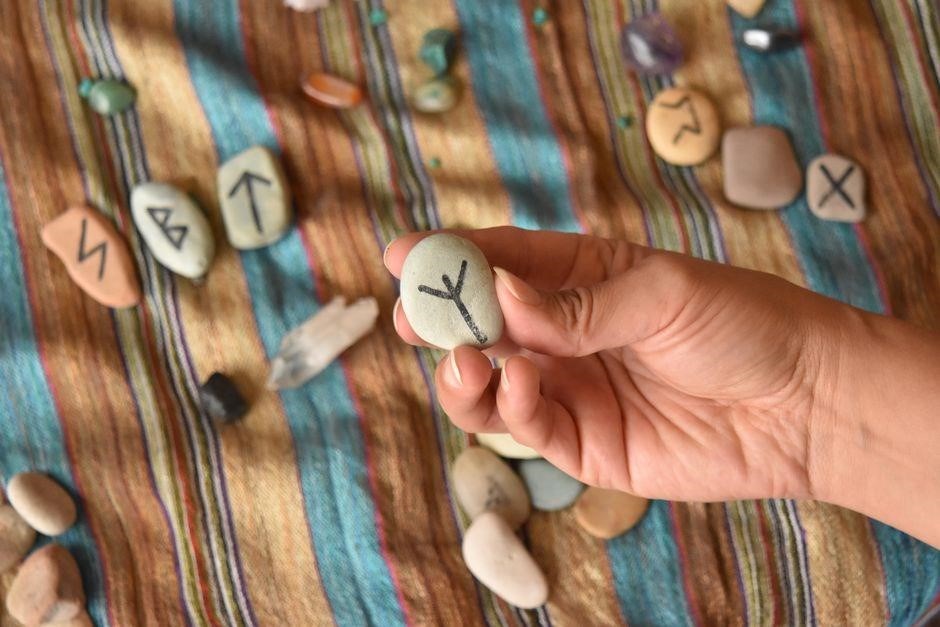
The Elder Futhark, an ancient runic alphabet, comprises 24 symbols that served as both writing and divination tools. Originating around 150–800 CE, it reflects early Germanic culture and continues to guide modern rune readers in symbolism and practice. They also guide rituals. Their shapes inspire art
24 Symbols Overview
Fehu – wealth, abundance, prosperity. Uruz – strength, vitality, endurance. Thurisaz – challenge, protection, defense. Ansuz – communication, divine insight. Raidho – journey, movement, progress. Kenaz – knowledge, illumination, spark. Gebo – gift, partnership, reciprocity. Wunjo – joy, harmony, bliss, contentment. Hagalaz – disruption, transformation, change. Nauthiz – need, restriction, limitation. Isa – stillness, pause, contemplation. Jera – harvest, cycle, fruition, growth. Eihwaz – resilience, defense, survival. Perthro – mystery, destiny, secrets. Algiz – protection, shield, safety. Sowilo – sun, success, vitality, optimism. Tiwaz – honor, leadership, justice, courage. Berkano – growth, fertility, renewal, birth. Ehwaz – partnership, movement, trust. Mannaz – humanity, cooperation, community. Laguz – water, intuition, flow, emotions. Ingwaz – fertility, abundance, creative. Othala – heritage, home, legacy, stability. Dagaz – breakthrough, awakening, clarity.
Runes guide insight
Symbol Meanings and Interpretations
Each rune embodies a dual nature, balancing positive and challenging energies. In practice, a reader considers the rune’s upright and reversed positions, the surrounding symbols, and the seeker’s question. For instance, Fehu in an upright position often signals sudden wealth or new opportunities, while a reversed Fehu may warn of loss or misuse of resources. The context of the spread shapes interpretation, allowing the same rune to reveal growth, obstacles, or guidance depending on its placement.
Reversed runes often signal internal resistance or the need to confront hidden aspects. For example, a reversed Ansuz may indicate miscommunication or a lack of clarity, prompting the seeker to seek honest dialogue. Similarly, reversed Hagalaz can suggest that change is being resisted, urging patience and adaptation. The reader must weigh the rune’s inherent energy against the seeker’s life context to discern whether the reversal amplifies or tempers the message.
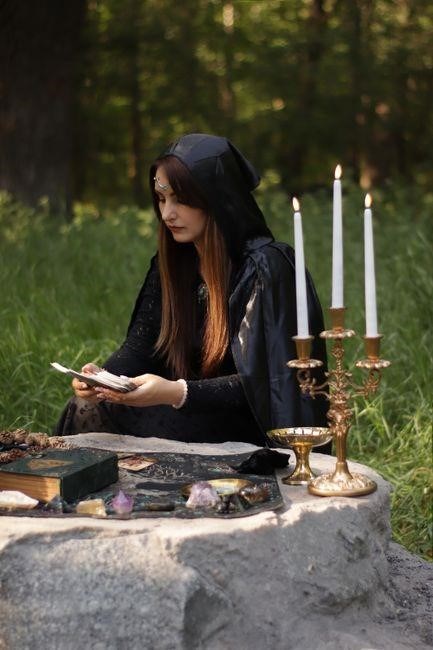
When runes are drawn together, their energies weave a narrative reflecting the seeker’s journey. A spread that places Gebo beside Wunjo highlights a partnership bringing joy, whereas Thurisaz with Eihwaz warns of a defensive stance needing balance. Readers use symbolic links—Algiz, Dagaz—to deepen insight, ensuring each rune’s voice harmonizes within the reading.
Ultimately, the interpreter’s intuition, combined with rune symbolism, creates a dynamic dialogue that guides the seeker toward clarity and empowerment now.
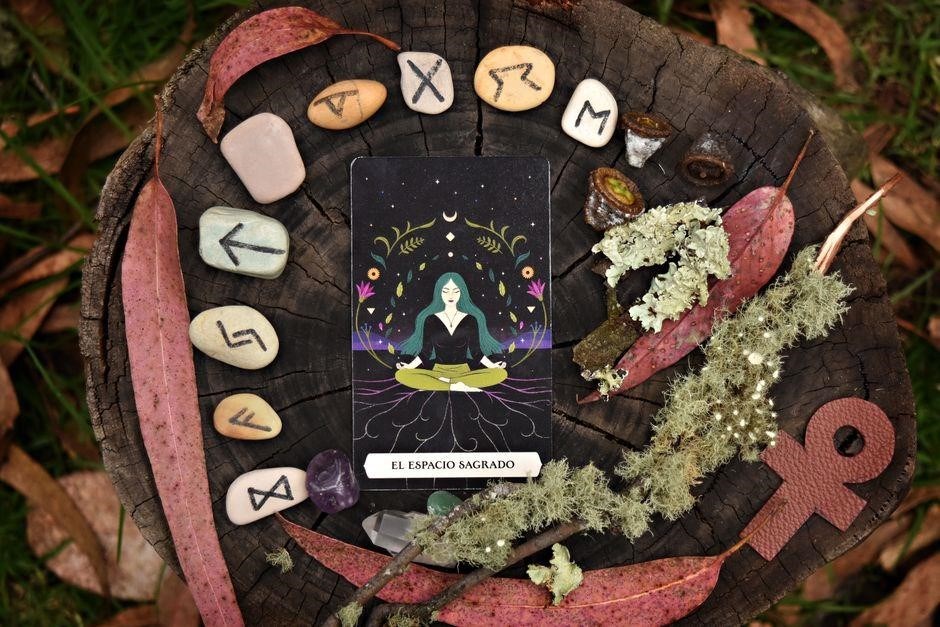
Choosing and Preparing Your Rune Set
Select a rune set that resonates with your energy. Common materials include wood, stone, or crystal, each offering distinct vibrations; Cleanse your set with sage or moonlight, then set an intention: “I invite clarity and balance.” Store in a pouch to keep energies focused. Use daily to strengthen intuition.
Material Types and Their Energies
Choosing the medium for your rune set is a deliberate act that shapes the subtle energies you will work with. Wood, the most traditional choice, carries warmth, growth, and a grounding pulse that echoes the cycles of nature. It is ideal for those seeking stability and a connection to ancestral roots. Stone, on the other hand, offers a more austere, resilient energy. Its mineral composition resonates with earth’s deep vibrations, making it perfect for clarity, protection, and long‑term focus. Crystal runes, especially quartz or amethyst, amplify intention and invite heightened perception. Their refractive properties can magnify subtle frequencies, allowing the reader to tap into a more expansive field of insight. Each material carries its own lineage: oak and ash were favored by early Germanic ancient peoples for strength; deep basalt and obsidian for protection; deep clear quartz for clarity and amplification. When selecting a material, consider the purpose of your practice—whether you aim to nurture personal growth, seek protection, or expand intuition—and choose a substance that aligns with that intent. After acquisition, cleanse each rune by smudging with sage, placing it under a full‑moon glow, or running it through a gentle stream of salt water. This purification removes residual energies and sets a clean slate. Finally, charge the set by holding it under the light of a sunrise or sunset, visualizing the desired energy flowing into each symbol!!
Personalizing Your Runes
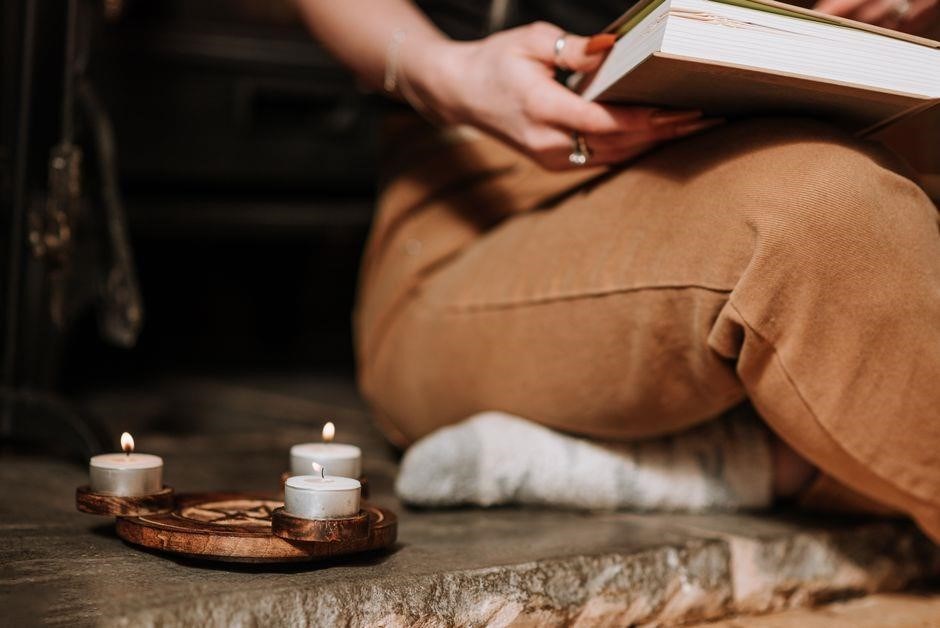
Personalizing your rune set transforms a generic deck into a living extension of your spirit. Begin by selecting a core intention—clarity, protection, or transformation—and write it on a small parchment. Hold this intention while you touch each rune, allowing the symbol’s vibration to merge with your own. Infuse the stones with a personal scent: a drop of essential oil, a pinch of dried herbs, or a smudge of incense can imprint a subtle aura that resonates with your energy field. If you prefer a visual cue, mark each rune with a tiny sigil or symbol that reflects its meaning to you; a simple line, circle, or dot can serve as a mnemonic anchor. When you feel the rune’s essence aligning with your own, seal the connection by chanting a short affirmation in your native tongue. This verbal imprint reinforces the bond and ensures that future readings will echo your unique frequency. Finally, store the set in a pouch or box that carries a protective charm—such as a small piece of quartz or a feather—to keep the personalized energies intact. Over time, revisit and refresh the personalization ritual, allowing your relationship with the runes to evolve alongside your personal growth. This dynamic process ensures that each casting feels deeply resonant and truly yours.
Re‑energize each stone by placing it under a full moon for 24 hours, then reciting your intention aloud. This ritual renews the rune’s connection to your evolving self and keeps the deck attuned to your current path. — now
Setting Up for a Reading
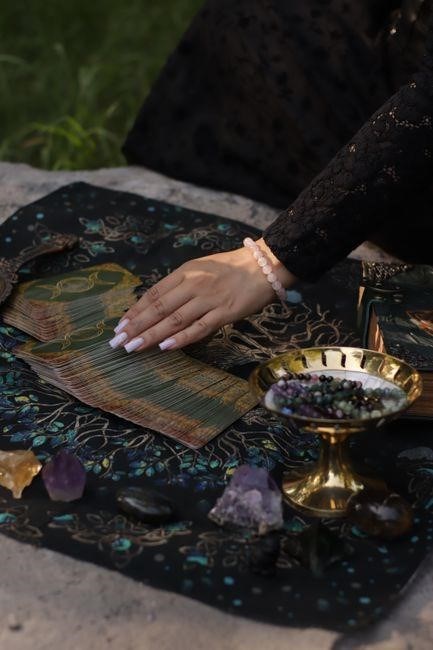
Choose a quiet space, dim the lights, and place a small altar or cloth. Light a candle or incense to cleanse the air. Arrange your rune set in front of you, center your focus, and set a clear question. This prepares a receptive environment for insight. Align breath, trust symbols to speak. now.
Ideal Environment and Atmosphere
Creating a sacred space is the first step in rune reading. Begin by selecting a quiet corner free from distractions, where you can sit comfortably. Dim the lights or use candles to cast a gentle glow, and consider adding a small altar or a cloth that reflects your personal energy. Aromatic incense or essential oils—lavender, sage, or sandalwood—can cleanse the air and invite calmness. Place a soft rug or cushion to ground yourself physically and spiritually. Before you begin, clear the space with a brief meditation, focusing on breath and intention. Visualize a protective circle of light surrounding you, ensuring that the runes will receive pure, unfiltered energy. Keep the room at a comfortable temperature; a slight chill can enhance focus, while excessive heat may cause distraction. Finally, silence your phone or any electronic devices to prevent interruptions. This intentional setting fosters a deep connection between you and the runic symbols, allowing their ancient wisdom to surface naturally.
Many practitioners also incorporate personal rituals before reading.Light a second candle, play soft ambient music, or chant a short mantra to align your heart with the runes. The combination of scent, sound, and tactile elements creates a multisensory environment that heightens intuition. As you shuffle the runes, feel the weight of each stone, noting any vibrations or impressions that arise. Trusting these subtle cues can deepen the accuracy of your interpretation. Remember, the environment is not just a backdrop; it is an active participant that shapes the energy flow during the reading.
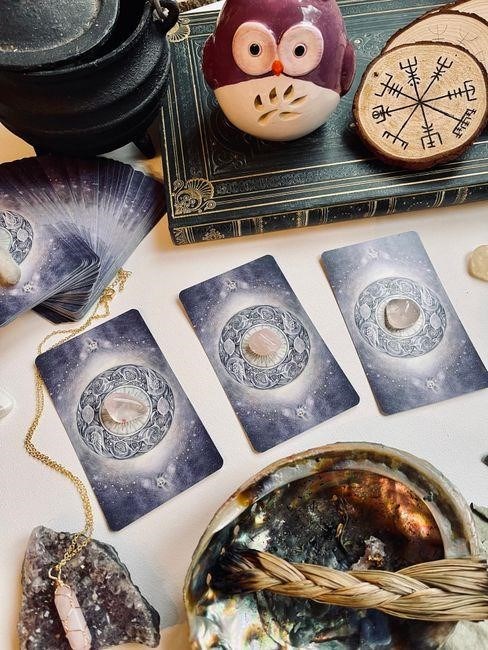
Question Formulation and Intent
Crafting a clear question is the cornerstone of effective rune reading. Center yourself, breathe deeply, and settle your mind. Then articulate a specific inquiry reflecting your current challenge. Instead of vague “What should I do?” ask precise prompts like “What steps will help me overcome obstacles in my career?” or “How can I deepen my connection with my partner?” The clarity of your question directly influences the relevance of the runes’ guidance.
Set a focused intention. Visualize the outcome you desire, feeling the emotions of success or resolution. This intention acts as a beacon, aligning runic energy with your goals. As you shuffle the stones, mentally repeat your question and intention, allowing the symbols to absorb this energy. When the runes are laid out, interpret them through their traditional meanings and your context. Listen for subtle shifts in tone or physical sensations that may indicate the runes’ response.
Remember, the power of rune casting lies in the synergy between question, intention, and environment. A well‑phrased query combined with a focused mindset ensures that the ancient symbols provide meaningful, actionable insight tailored to your life’s journey.
Additionally, practice refining your question by asking what you truly want to know, avoiding dualities or negative framing. Use present tense to keep the focus on the now: “I am ready to embrace new opportunities.” This subtle shift invites the runes to respond with immediate, actionable guidance. After the reading, journal the symbols and your feelings, noting patterns that emerge over time. Repeating this process builds a personal language with the runes, deepening your intuitive connection and enhancing future readings.
Respect the runes by thanking them for their insight before setting them aside, reinforcing a respectful, reciprocal relationship that honors the ancient tradition today.
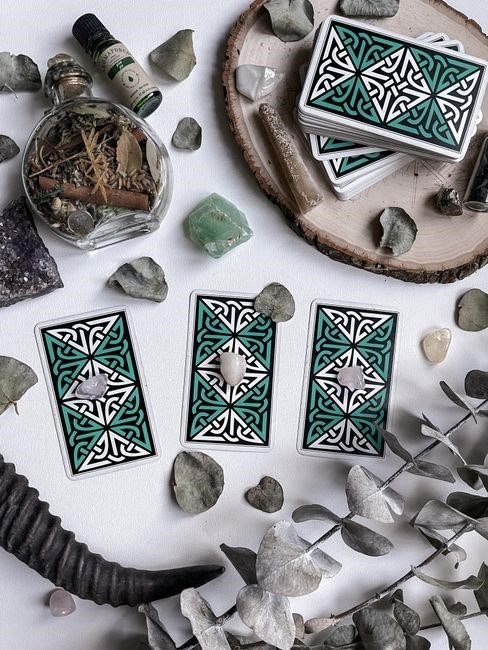
Casting Methods and Spreads
Runes can be cast singly or in spreads. The single‑rune method offers quick insight, while the three‑rune spread explores past, present, future. The shuffle, focus, then draw stones, interpreting each position’s meaning for a balanced reading. Trust symbols.
Single Rune Technique
Single‑rune casting is the most straightforward approach, ideal for quick questions or moments of reflection; Begin by cleansing your stones, perhaps with a gentle wash of water or a brief smudge of sage, to clear residual energies. Once the set feels fresh, sit comfortably, close your eyes, and focus on the query you wish to explore. Visualize the question as a clear image or phrase, letting it settle in your mind’s eye. When ready, shuffle the runes slowly, allowing each stone to pass through your hands. This physical movement serves as a bridge between your conscious intent and the subtle currents of the runic system. As you shuffle, feel the vibration of each symbol, noting any that resonate strongly with your current emotional state. After a few passes, reach into the bag or spread and draw a single rune. The act of drawing is an invitation for the universe to reveal guidance. Gently lift the rune, hold it in your palm, and observe its shape, lines, and any natural markings. These physical traits often mirror the rune’s symbolic essence. Interpretation follows a dual process: first, recall the rune’s traditional meaning—its archetypal energy, associated qualities, and historical context. Second, listen to your intuition, noting any immediate impressions, feelings, or images that arise. The rune’s literal definition provides a framework, while your personal response adds depth and relevance to your specific situation. Finally, integrate the insight into your life. Write down the rune’s name, its traditional meaning, and your intuitive notes. Reflect on how this guidance aligns with your question, and consider actionable steps that honor the rune’s message. Revisit the rune later if needed, allowing its wisdom to unfold over time.
Three Rune Spread Overview
Three‑rune spreads offer a balanced snapshot of past, present, and future energies. To begin, cleanse your rune set with a brief smudge or a gentle rinse, ensuring each stone feels fresh. Sit in a quiet space, close your eyes, and center your breath. Formulate a clear question or intention, allowing the thought to settle into your mind’s focus. Shuffle the runes slowly, feeling each symbol’s vibration, and when you feel ready, draw three stones in succession. Place the first rune on the left, representing the past influence; the second in the center, indicating the current state; and the third on the right, pointing toward future possibilities. As you lay the runes, observe their orientation—upright or reversed—since this nuance can shift meaning. Once positioned, interpret each rune individually, recalling its traditional symbolism and any intuitive impressions. Then weave the three meanings together, noting how the past informs the present and how the present shapes the future. This synthesis reveals patterns, obstacles, and opportunities. Finally, record the runes, their positions, and your insights in a journal. Revisiting the spread after a few days can deepen understanding, as new experiences may alter the interpretation. The three‑rune spread is a versatile tool for quick guidance, decision‑making, and personal reflection, making it an essential technique for both novices and seasoned practitioners. Practitioners often revisit the spread after significant life events, noting shifts in interpretation that deepen personal insight over time. Such reflective practice encourages continuous growth, allowing the runic symbols to evolve alongside the seeker’s journey. By integrating runic insights into daily decisions, one cultivates intuition and aligns actions with deeper purpose. Each rune becomes a mirror, reflecting inner truths that guide mindful living and fosters resilience for a balanced path in every step and heart and soul always again