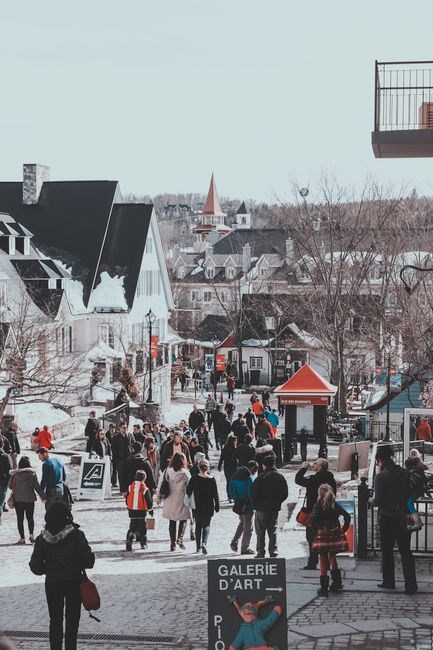
Bas St‑Laurent, a charming enclave on Quebec’s south shore, blends historic charm with modern allure. In 2024, its vibrant streets, waterfront promenades, and welcoming communities promise an unforgettable escape for travelers seeking culture, nature, and culinary delights. Enjoy! and explore.
Overview of the Region
Bas St‑Laurent is a picturesque district located on the south shore of the St. Lawrence River, just across from Montreal. The region spans a diverse landscape that ranges from rolling hills and lush vineyards to serene lakes and expansive wetlands. Historically, it has been a crossroads of French and Indigenous cultures, and today it reflects that heritage in its architecture, festivals, and culinary traditions. The area is known for its vibrant small towns, each with its own unique character, from the bustling streets of Saint‑Jean‑sur‑Richelieu to the quiet charm of Saint‑Bruno‑de‑Montarville. In 2024, the region continues to attract visitors with its blend of natural beauty, cultural richness, and modern conveniences. Visitors can explore well‑preserved historic sites, enjoy scenic waterfronts, and participate in a variety of seasonal events that celebrate local arts, music, and gastronomy. The region’s accessibility is enhanced by a network of highways, public transit, and cycling paths that connect major towns and tourist attractions. Whether you’re looking immerse yourself in the region’s storied past, indulge in its wines, or simply relax by the river, Bas St‑Laurent offers a welcoming and memorable experience for travelers of all interests. The district’s culinary scene showcases farm‑to‑table restaurants, cheese shops, and breweries that highlight the region’s agricultural bounty, and artisanal. Cultural institutions such as museums, galleries, and performance venues provide insight into the area’s history and scene. Additionally, the region’s commitment to sustainability is evident in its eco‑tourism initiatives, community gardens, and conservation programs that preserve the natural environment for future generations;
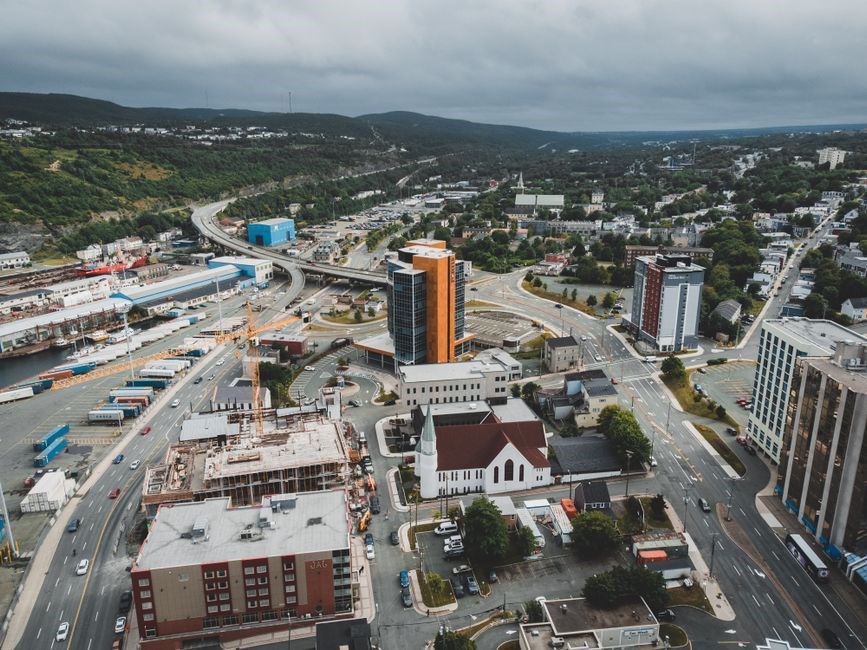
Bas St‑Laurent is a picturesque district located on the south shore of the St. Lawrence River, just across from Montreal. The region spans a diverse landscape that ranges from rolling hills and lush vineyards to serene lakes and expansive wetlands. Historically, it has been a crossroads of French and Indigenous cultures, and today it reflects that heritage in its architecture, festivals, and culinary traditions. The area is known for its vibrant small towns, each with its own unique character, from the bustling streets of Saint‑Jean‑sur‑Richelieu to the quiet charm of Saint‑Bruno‑de‑Montarville. In 2024, the region continues to attract visitors with its blend of natural beauty, cultural richness, and modern conveniences. Visitors can explore well‑preserved historic sites, enjoy scenic waterfronts, and participate in a variety of seasonal events that celebrate local arts, music, and gastronomy. The region’s accessibility is enhanced by a network of highways, public transit, and cycling paths that connect major towns and tourist attractions. Whether you’re looking to immerse yourself in the region’s storied past, indulge in its wines, or simply relax by the river, Bas St‑Laurent offers a welcoming and memorable experience for travelers of all interests. The district’s culinary scene showcases farm‑to‑table restaurants, cheese shops, and breweries that highlight the region’s agricultural bounty, and artisanal. Cultural institutions such as museums, galleries, and performance venues provide insight into the area’s history and scene. Additionally, the region’s commitment to sustainability is evident in its eco‑tourism initiatives, community gardens, and conservation programs that preserve the natural environment for future generations.
Bas St‑Laurent’s 2024 culinary scene offers beers and menus. The festival features winemaking workshops, and a new science center teaches families about the St. Lawrence ecosystem.2024
Top Attractions in Bas St-Laurent
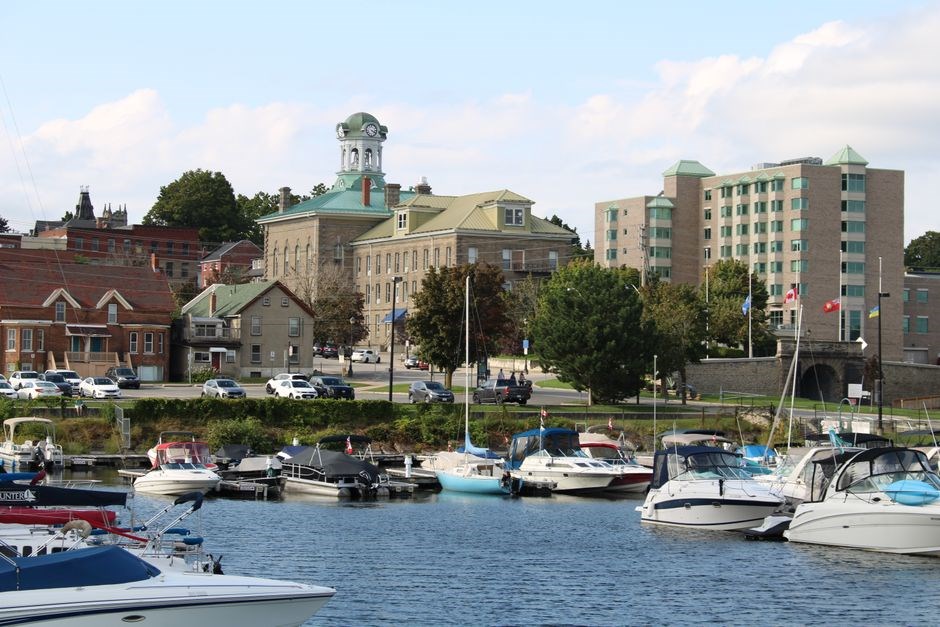
Discover historic forts, scenic river walks, wineries, charming town squares. Enjoy local festivals, stroll through botanical gardens showcasing regional flora, and experience Bas St‑Laurent’s heritage. Perfect for families and solo travelers. and see!
Historic Sites and Landmarks
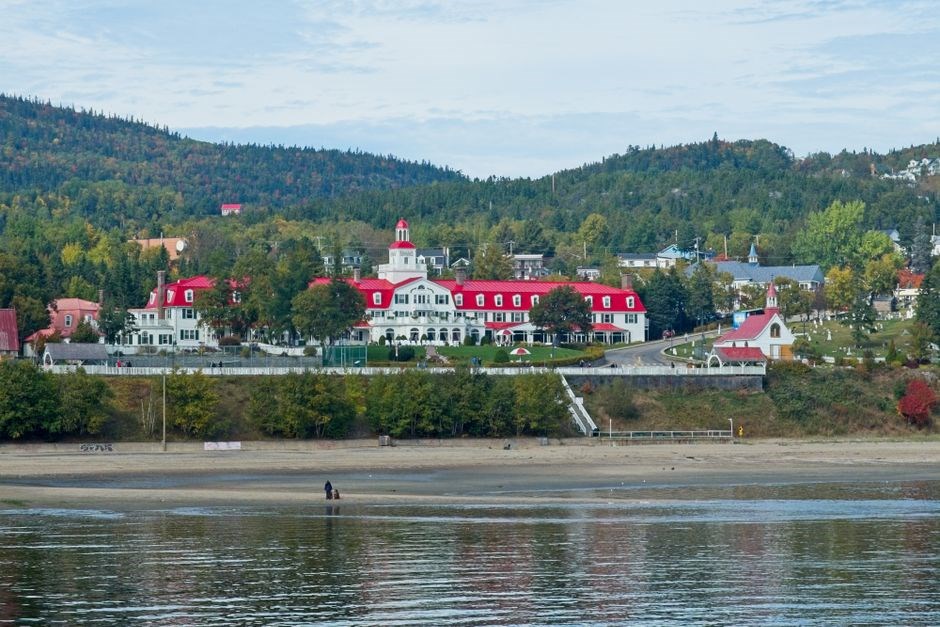
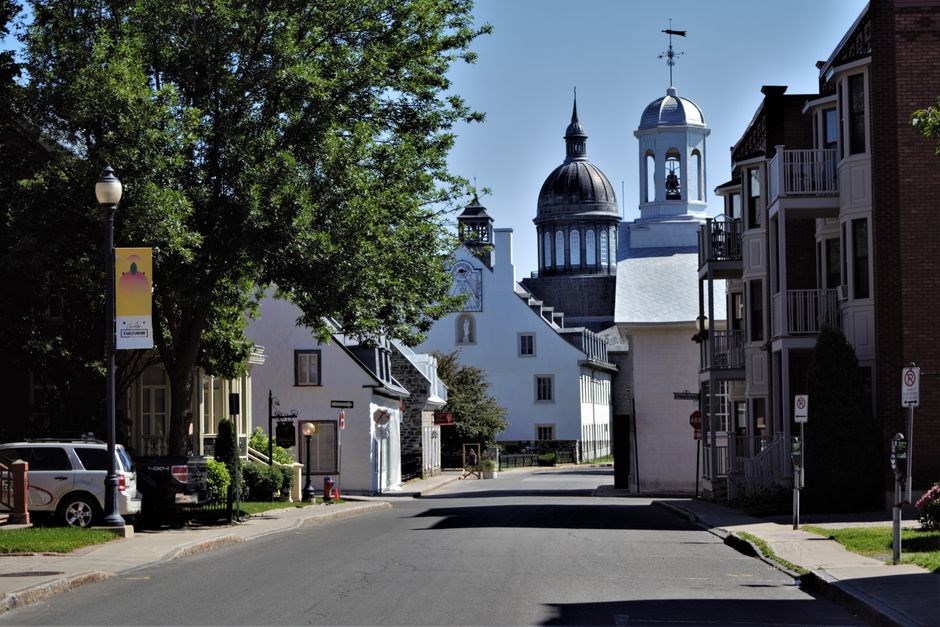
Bas St‑Laurent’s historic core is a living museum, where 18th‑century architecture meets modern charm. The fortified citadel, built to defend against maritime incursions, now hosts guided tours that reveal the region’s colonial past. Visitors can wander through cobblestone streets, admiring preserved facades and stone arches that echo the era’s craftsmanship. The citadel’s ramparts offer panoramic views of the St‑Lawrence River, making it a favorite spot for photographers and history enthusiasts alike. Each stone wall tells a story of early settlers, fishermen, and traders who shaped the region’s identity. Another landmark is the 19th‑century railway station, a testament to the industrial boom that connected the south shore to Montreal. Its brick façade and original ticket office provide a glimpse into the golden age of rail travel, while the adjacent museum displays artifacts from the era, including locomotives, uniforms, and period photographs. The station’s clock tower still chimes every hour, echoing the rhythm of a bygone era. Nearby, the old grain warehouse has been repurposed into a cultural center, hosting art exhibitions, workshops, and community events that celebrate local heritage. Not to be overlooked is the historic church, whose spire pierces the skyline and whose interior houses a collection of stained‑glass windows depicting local legends. The church’s bell tower, still rung by hand, provides a resonant soundtrack to the surrounding streets. Inside, the altar’s wooden carvings and the choir loft’s acoustics invite visitors to experience a quiet moment of reflection. Together, these sites form a cohesive narrative of Bas St‑Laurent’s evolution from a frontier settlement to a thriving cultural hub, offering travelers a tangible connection to the past while inspiring future exploration.
Bas St‑Laurent presents a mosaic of scenic vistas that capture Quebec’s south shore charm. Elevated cliffs overlook the St‑Lawrence River, where sunrise paints amber and gold across the water, while the distant city skyline glints against morning mist. The riverbank promenade offers a leisurely stroll, benches inviting travelers to pause and listen to waves lapping the pier. A short walk leads to the historic lighthouse, whose spiral staircase ascends to a platform providing a 360‑degree panorama of the river, marshlands, and bustling harbor. Hilltop parks offer sweeping valley views, with the river’s meandering path framed by lush greenery. Observation decks attract photographers, especially at sunset when the sky turns pink, purple, and orange, reflecting on the water. Observation towers along the river let visitors experience the landscape from multiple angles, ensuring each turn offers a new perspective. Every vista invites reflection, reminding travelers of Bas St‑Laurent’s enduring beauty.
For birdwatchers, the marshlands near the river are a haven, where sightings can be spotted from the observation decks. A guided river cruise at dusk offers a unique perspective, with the boat’s lanterns casting a warm glow on the water, while the crew narrates the history of the shoreline. These experiences combine to create an immersive visual journey that celebrates the region’s natural splendor and cultural heritage. These vistas inspire contemplation, making visits memorable.!!!!!!
Outdoor Activities and Adventures
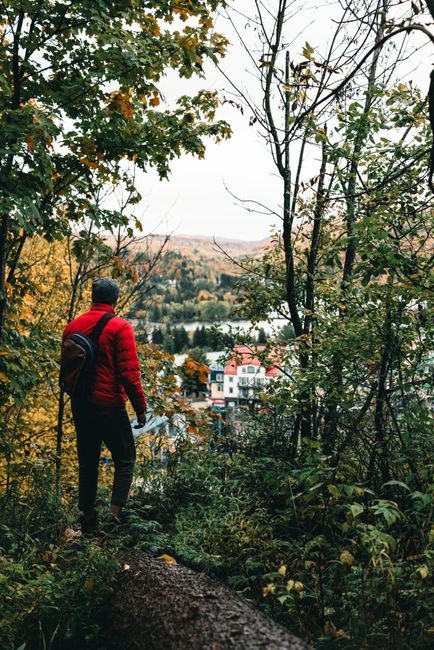
Explore Bas St‑Laurent’s rugged trails, kayak through calm river waters, and cycle scenic routes. The region offers hiking, biking, paddleboarding, and fishing, all set against lush landscapes and vibrant sunsets. and explore local farms, picnic spots, wildlife viewing, and sunrise hikes.!!!
Bas St‑Laurent offers a diverse hiking network that appeals to casual walkers and seasoned trekkers. The Rivière du Loup Circuit winds along the riverbank, providing panoramic views of water, forest, and wildlife, and is family‑friendly with clear signage. For a more demanding trek, the Montagne du Sable Ridge climbs steeply, rewarding hikers with sweeping vistas of valleys and the distant Laurentian Mountains. The ridge’s rocky terrain and switchbacks test endurance, but clear markers ensure safety. The Île de la Garde Loop is a moderate circuit through wetlands, marshes, and forested areas, where visitors can observe diverse bird species, amphibians, and unique flora. The Promenade des Rives offers a flat, scenic path along the St‑Laurent River, ideal for early walks or sunset reflections, complete with benches and interpretive panels on geology, history, and ecology. Seasonal changes enrich the experience: spring brings wildflowers and mist; summer offers lush greenery; autumn paints fiery hues; winter turns trails into snow‑covered wonderlands, suitable for cross‑country skiing or snowshoeing. Local guides and visitor centers supply maps, safety tips, and trail condition updates, ensuring a safe adventure. Conservation efforts are evident through trail maintenance, erosion control, and educational outreach, encouraging responsible hiking. Visitors are urged to follow Leave No Trace principles, carry out trash, and respect wildlife habitats. In 2024, the Bas St‑Laurent hiking community welcomes newcomers and seasoned adventurers alike, offering guided tours, events, and communit hikes that foster camaraderie and appreciation for nature.
Water Sports and Fishing
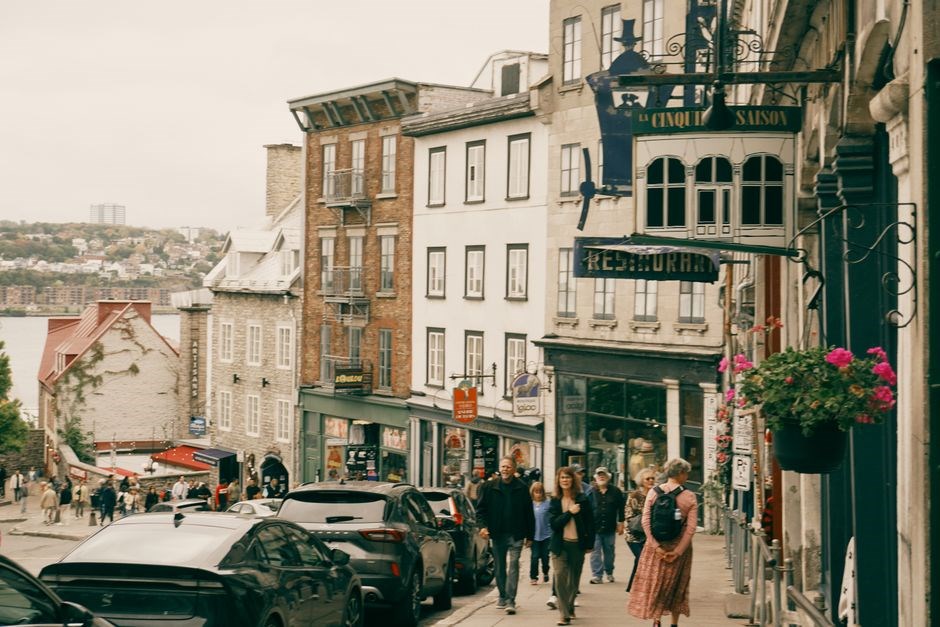
Bas St‑Laurent’s waterfront invites enthusiasts to explore aquatic adventures. The calm bays of the St‑Laurent River are ideal for kayaking, canoeing, and stand‑up paddleboarding, offering gentle currents and scenic views of historic lighthouses. The region’s lakes and rivers host a thriving fishing scene: anglers target bass, pike, and perch in clear waters of Lac Saint‑Michel, while the St‑Laurent River offers trout and salmon during spring run. Guided fishing tours provide expert knowledge of patterns, local regulations, and sustainable practices, ensuring a rewarding catch while protecting ecosystems. Kayak fishing allows paddlers to navigate secluded coves, discovering hidden spots accessible only by water. The area supports sailing, with clubs offering lessons and regattas that showcase the region’s maritime heritage. For those preferring a more relaxed experience, windsurfing and kiteboarding are available on the open stretches, where consistent breezes create ideal conditions during summer months. Safety is paramount; all operators adhere to strict guidelines, offering life jackets, instruction, and emergency protocols. Seasonal festivals celebrate water sports, featuring competitions, workshops, and community gatherings that highlight local talent and promote environmental stewardship. In 2024, the Bas St‑Laurent waterfront remains a dynamic hub for water‑based recreation, blending adventure, tradition, and conservation into a memorable experience for visitors of all ages.
Cultural Highlights and Events
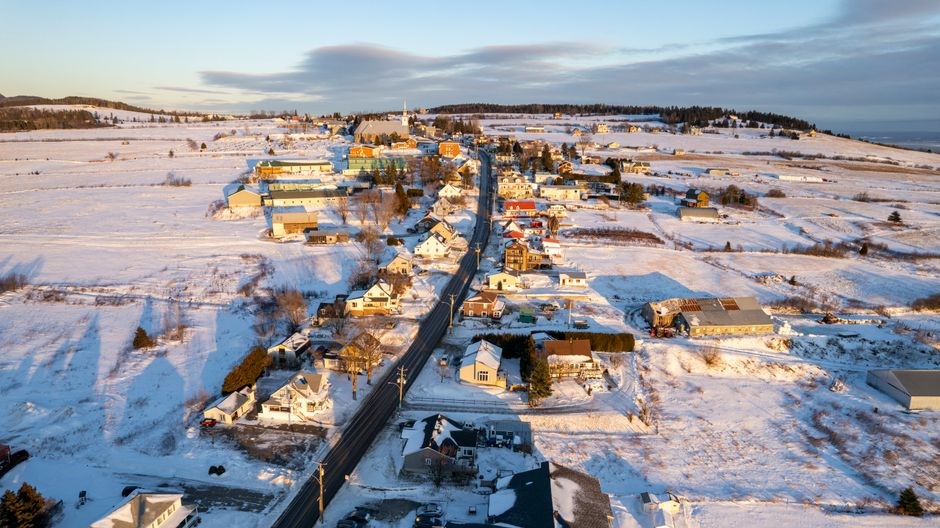
Bas St‑Laurent thrives on art, music, and heritage festivals. In 2024, visitors enjoy local theater, craft markets, and seasonal celebrations that showcase regional cuisine, folklore, and contemporary exhibitions that showcase vibrant culture. Enjoy! Now.
Festivals and Local Traditions
Bas St‑Laurent’s calendar in 2024 bursts with festivals that honor its maritime roots, agricultural heritage and artistic spirit. The annual Harvest Fair in September invites locals and visitors to sample fresh produce, artisanal cheeses, and handcrafted goods while enjoying live folk music and traditional dance performances that echo the region’s Franco‑Canadian lineage. A week later, the Summer Jazz & Blues Festival on the waterfront offers world‑class musicians, open‑air venues, and culinary stalls featuring smoked fish and maple‑infused desserts, creating a sensory tapestry that celebrates both heritage and contemporary flair. Cultural enthusiasts can also attend the Bas St‑Laurent Film Festival, which screens independent films from Quebec and beyond, followed by panel discussions with filmmakers. Throughout the year, smaller community gatherings—such as the Maple Syrup Harvest, the Folk‑Music Jam Sessions in the historic town square, and the annual “Art in the Park” exhibition—offer intimate glimpses into the region’s creative pulse. These events, coupled with the region’s welcoming atmosphere, make Bas St‑Laurent a vibrant destination for travelers seeking authentic cultural experiences in 2024. It hosts a seafood market, drawing gourmands day.
Art Galleries and Museums
Bas St‑Laurent’s artistic heritage is showcased in a network of galleries and museums that reflect the region’s maritime history, rural landscapes, and contemporary creativity. The Musée du Patrimoine Maritime, housed in a restored 19th‑century lighthouse, offers interactive exhibits on shipbuilding, navigation, and the lives of seafaring families. Visitors can explore reconstructed cabins, view antique navigational instruments, and participate in hands‑on workshops that teach traditional rope‑making techniques. Nearby, the Galerie des Arts du Sud, a modern space dedicated to local painters, sculptors, and mixed‑media artists, hosts rotating exhibitions that highlight the interplay between light, water, and the rugged shoreline. The gallery’s outdoor terrace provides a panoramic view of the St‑Laurent River, allowing patrons to experience art in a natural setting. For those interested in contemporary cultural narratives, the Centre d’Art et d’Innovation invites artists to collaborate on public installations that respond to environmental themes. The annual “Art in the Park” event, held each spring, transforms the town square into an open‑air museum, featuring live demonstrations, interactive workshops, and performances that celebrate the region’s artistic community. Additionally, the Musée de l’Industrie et l’Artisanat showcases the evolution of local crafts, from traditional woodworking to modern textile design, offering visitors comprehensive understanding of Bas St‑Laurent’s creat legacy.
Practical Information for Travelers
Plan your visit with local transport guides, seasonal weather alerts, and essential travel tips. Book accommodations early, check opening hours, and explore nearby dining for a seamless Bas St‑Laurent experience. Enjoy local festivals and scenic walks.!OK
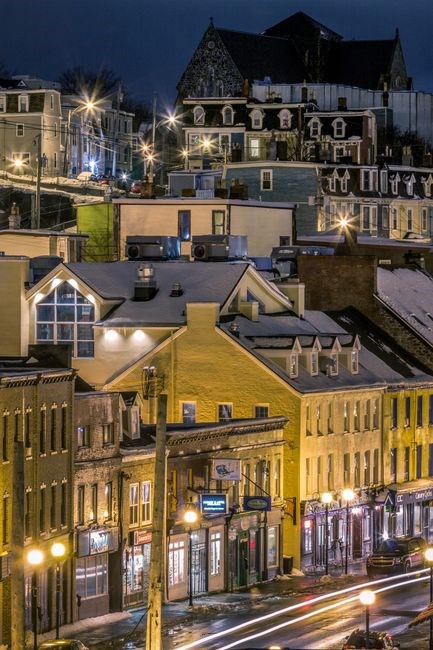
Bas St‑Laurent offers a spectrum of lodging, from boutique inns that echo colonial charm to modern hotels with panoramic river views. For families, spacious suites with kitchenettes cater to convenience, while couples can indulge in romantic rooms featuring fireplaces and private balconies. The region’s bed‑and‑breakfasts, tucked in historic homes, provide personalized service and local culinary delights, often featuring farm‑to‑table breakfasts that showcase regional produce. For those seeking adventure, eco‑lodges nestled in forested areas offer rustic cabins, hot tubs, and guided nature walks, ensuring a blend of comfort and wilderness. Luxury travelers can opt for upscale resorts that include spa facilities and fine dining, while budget‑conscious visitors find charming hostels and hotels that maintain a cozy atmosphere. Many accommodations partner with local tour operators, offering package deals that combine lodging with guided tours and river cruises. Accessibility is a priority, with most hotels providing wheelchair‑accessible rooms and adaptive bathrooms. Connectivity is reliable, featuring free Wi‑Fi and centers. Seasonal promotions are common, especially during the summer festivals and winter holiday markets, making early booking advantageous. Overall, Bas St‑Laurent’s accommodation scene is diverse, welcoming, and tailored to a wide range of preferences and budgets, ensuring travelers find a comfortable home base to explore the region’s rich heritage and natural beauty.
Transportation and Accessibility
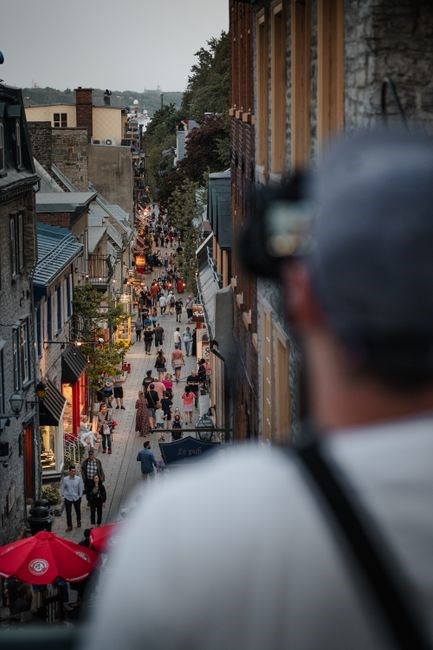
Bas St‑Laurent’s transport network blends convenience with scenic routes. A well‑connected highway links the region to Montreal, Quebec City, and the U.S. border, while a modern commuter rail offers frequent service to downtown Montreal, making day trips effortless. The local bus system covers historic districts, waterfront promenades, and rural villages, offering reliable travel for residents and tourists alike. For those preferring personal vehicles, ample parking is available at major attractions, and bike‑share stations encourage eco‑friendly exploration. The region’s airports—Gatineau, Montreal‑Mirabel—serve domestic and international flights, with shuttle services to hotels. Accessibility is a priority: most public transport vehicles are wheelchair‑friendly, and many stations feature elevators, tactile signage, and audio announcements. Hotels and attractions offer accessible rooms and facilities, ensuring inclusive experiences. For cyclists, dedicated lanes weave through parks and along the St‑Laurent River, while electric scooter rentals are available in downtown hubs. Seasonal ferry routes connect to Île‑Bouchard and other nearby islands, adding a maritime dimension to travel. Overall, Bas St‑Laurent’s transportation infrastructure supports diverse mobility needs, making the region welcoming for all visitors. The region’s commitment to accessibility is evident in its zones, Wi‑Fi, signage, ensuring traveler today can navigate comfortably.!!!