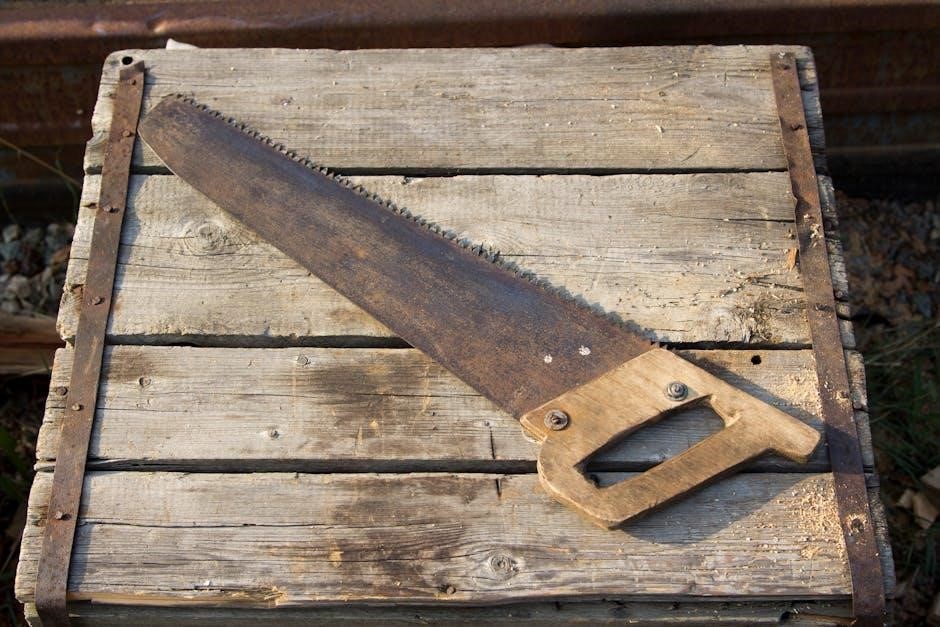
Manual Lance Blade: A Comprehensive Guide
This guide delves into the art of maintaining manual lance blades‚ covering sharpening‚ repair‚ and safety—drawing from Reddit discussions and expert advice.
Sharpening systems‚ like Lansky‚ and honing techniques are explored for optimal performance‚ ensuring blades remain effective for various applications‚ from lawn care to woodworking.
Manual lance blades‚ essential for various tools‚ demand understanding for optimal performance. From lawnmowers to woodworking equipment and even kitchen knives‚ a sharp blade is paramount. Maintaining these blades isn’t merely about sharpness; it’s about safety and efficiency. Reddit discussions highlight the importance of proper sharpening techniques‚ like those utilizing Lansky systems‚ coupled with stropping for a polished edge.
The core function of a lance blade is to efficiently sever or cut material. Achieving this requires a keen edge‚ free of chips or corrosion. This guide will explore the nuances of blade geometry‚ materials‚ and maintenance‚ empowering users to confidently handle and restore their blades‚ ensuring longevity and peak functionality.
Historical Context of Lance Blades
Historically‚ blades evolved alongside human ingenuity‚ initially crafted from stone‚ then bronze‚ and eventually iron and steel. The lance blade‚ in its various forms‚ reflects this progression. While the term “lance blade” now broadly applies to cutting edges in tools‚ its origins lie in weaponry – the lance itself.
Early blades demanded frequent sharpening‚ a skill honed over generations. The advent of metallurgy allowed for more durable blades‚ reducing the need for constant maintenance. Modern alloys further enhance longevity. Today‚ maintaining sharpness remains crucial‚ with techniques like honing and stropping echoing ancestral practices‚ ensuring continued efficiency in diverse applications.
Types of Lance Blades
Lance blades aren’t a singular entity; they manifest in diverse forms tailored to specific tasks. Broadly‚ we can categorize them into traditional steel and modern alloy varieties. Traditional steel blades‚ often high carbon steel‚ offer excellent sharpness but require diligent rust prevention.
Modern alloy blades‚ including stainless steel options‚ prioritize durability and corrosion resistance‚ though potentially sacrificing some peak sharpness. Within these categories‚ variations exist based on application – lawnmower blades differ significantly from woodworking or kitchen knife blades in geometry and material composition.
Traditional Steel Lance Blades
Traditional steel blades‚ frequently crafted from high carbon steel‚ are renowned for their ability to achieve and retain a remarkably keen edge. This makes them a favored choice for applications demanding precision cutting‚ like detailed woodworking. However‚ this superior sharpness comes with a trade-off: susceptibility to rust and corrosion.
Consistent maintenance‚ including regular oiling and careful drying after use‚ is crucial. While demanding‚ the responsiveness of high carbon steel to sharpening and its potential for exceptional performance continue to make it a popular material.
Modern Alloy Lance Blades
Modern alloy blades‚ often incorporating stainless steel‚ prioritize durability and corrosion resistance over the absolute peak sharpness achievable with high carbon steel. These blades represent a practical compromise‚ requiring less intensive maintenance and proving ideal for environments where moisture is a constant concern‚ such as lawn care.
While potentially needing more effort to initially sharpen‚ they hold an edge for a longer duration. The convenience and reduced upkeep make them a popular choice for general-purpose applications‚ balancing performance with practicality.
Blade Geometry and Design
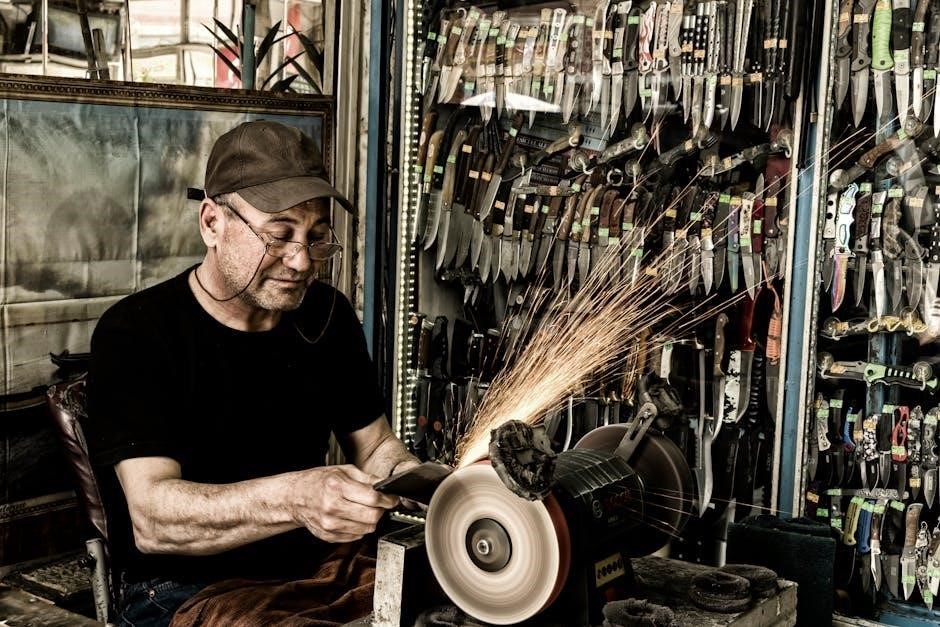
Blade geometry is paramount to a lance blade’s effectiveness. The angle of the cutting edge dictates how cleanly it severs material‚ while thickness influences durability and resistance to bending. A steeper angle provides strength but requires more force‚ while a shallower angle cuts more easily but is prone to damage.
Understanding these trade-offs is crucial. Proper design ensures efficient material removal and longevity. Achieving the optimal balance between sharpness‚ strength‚ and edge retention is the core of effective blade design.
Blade Angle and its Impact
The blade angle significantly impacts performance. A smaller angle creates a sharper edge‚ ideal for clean cuts‚ but sacrifices durability. Conversely‚ a larger angle offers robustness‚ resisting deformation‚ yet demands greater force for penetration. Reddit discussions highlight this balance‚ particularly for lance blades used in demanding applications.
Choosing the correct angle depends on the intended use. For softer materials‚ a lower angle suffices; harder materials necessitate a steeper one. Maintaining consistent angle during sharpening is vital for optimal cutting efficiency and edge longevity.
Blade Thickness and Durability
Blade thickness directly correlates with durability‚ influencing its resistance to bending‚ chipping‚ and overall wear. Thicker blades withstand heavier loads and impacts‚ making them suitable for robust tasks like lawn mowing or tackling dense wood. However‚ increased thickness adds weight and can hinder finesse in delicate operations.
Material composition also plays a crucial role. High-carbon steel offers excellent strength‚ while alloys enhance corrosion resistance. Finding the optimal thickness involves balancing strength requirements with desired maneuverability and application-specific needs.
Sharpening Manual Lance Blades
Sharpening is crucial for maintaining a lance blade’s effectiveness. A dull blade requires more force‚ increasing user fatigue and potentially leading to accidents. Several methods exist‚ ranging from simple whetstones to sophisticated systems like Lansky‚ favored by beginners for consistent angles.
The process involves creating a burr along the blade’s edge‚ indicating metal removal‚ and then refining it with finer grits. Stropping with a buffing compound polishes the edge‚ achieving razor sharpness. Regular sharpening prevents damage and extends blade life.
Essential Sharpening Tools
A successful sharpening setup requires specific tools. Whetstones‚ available in various grits‚ are fundamental for initial shaping and refining the edge. Sharpening steels maintain sharpness between major sharpenings through honing. The Lansky Sharpening System‚ popular among beginners‚ provides guided angles for consistent results.
Beyond these‚ a suede strop charged with buffing compound polishes the edge to a mirror finish. A stable surface and appropriate lighting are also essential for precision and safety during the sharpening process.
Whetstones and Grit Selection
Choosing the right whetstone grit is crucial. Coarse grits (around 200-400) rapidly remove material‚ ideal for repairing damaged blades. Medium grits (800-1000) refine the edge after coarse sharpening. Fine grits (3000-8000) polish the edge for ultimate sharpness.
Progressing through grits—coarse to fine—ensures a smooth‚ burr-free edge. Water or oil lubrication is essential to prevent clogging and reduce friction. Feel for a burr along the blade’s edge to indicate sharpening progress.
Sharpening Steels
Sharpening steels‚ or honing steels‚ don’t actually sharpen a blade‚ but rather realign the microscopic teeth along the edge. Regular honing (before or after each use) maintains sharpness‚ delaying the need for whetstone sharpening. Different steel types exist – ceramic‚ diamond-coated‚ and traditional steel.
Use a consistent angle (typically 20 degrees) and light pressure. Draw the blade across the steel‚ heel to tip‚ alternating sides. This process removes microscopic burrs and restores edge alignment‚ keeping your lance blade performing optimally.
Lansky Sharpening Systems
Lansky Sharpening Systems offer a guided approach to sharpening‚ particularly beneficial for beginners. These systems utilize clamps to secure the blade at a consistent angle‚ paired with abrasive stones of varying grits. Reddit discussions highlight their effectiveness for restoring edges on knives‚ including Mora knives and general EDC blades;
The process involves systematically working through the grits‚ creating a burr‚ and then removing it with a strop. While time-consuming for a complete overhaul‚ Lansky systems deliver precise‚ repeatable results‚ ideal for maintaining a keen lance blade edge.
Step-by-Step Sharpening Process
Begin by securely clamping the lance blade‚ establishing the desired angle. Progress through sharpening stones‚ starting with a coarser grit to remove material and form the bevel. Feel for a burr along the entire edge‚ indicating sharpening progress—wipe a finger perpendicularly to check.
Transition to finer grits‚ refining the edge and reducing burr size. Finish with stropping‚ using a compound-charged strop to polish and align the edge for ultimate sharpness. Gentle‚ consistent strokes are key throughout the process‚ ensuring a clean‚ effective edge.
Maintaining Blade Sharpness
Consistent sharpness relies on regular maintenance‚ extending blade life and ensuring optimal performance. Honing frequently realigns the edge‚ correcting minor distortions and preserving cutting ability. Stropping‚ utilizing a leather strop with buffing compound‚ polishes the edge‚ removing microscopic burrs and achieving a refined finish.
These practices‚ performed after each use or regularly depending on application‚ prevent dulling. Prioritizing maintenance minimizes the need for aggressive sharpening‚ preserving the blade’s geometry and maximizing its longevity‚ ultimately saving time and resources.
Regular Honing Techniques
Effective honing involves light‚ consistent passes along the blade’s edge‚ maintaining the existing angle. Utilize a honing steel‚ applying gentle pressure and sweeping motions‚ avoiding excessive force that could damage the edge. Focus on both sides of the blade‚ ensuring uniform refinement.
Frequency depends on usage; daily honing for frequently used blades‚ weekly for occasional use. Feel for a slight burr forming‚ indicating realignment. Proper technique restores the edge without removing significant material‚ preserving blade geometry and extending sharpness between sharpenings.
Stropping for a Polished Edge
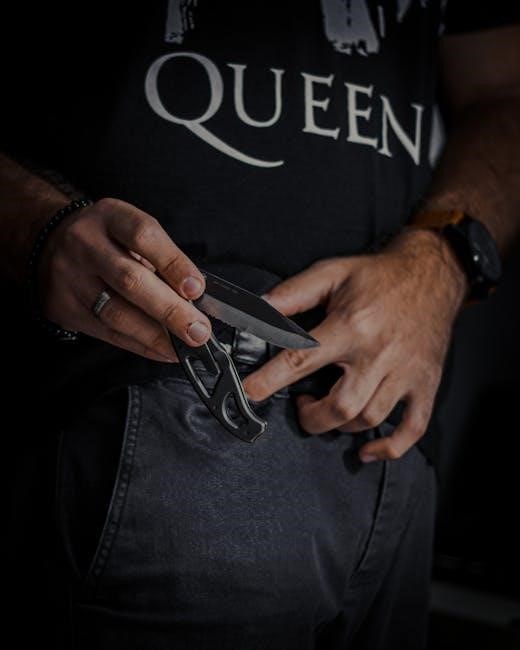
Stropping refines the blade beyond honing‚ achieving a mirror-like polish. Employ a leather strop‚ ideally charged with buffing compound‚ drawing the blade away from the cutting edge. Maintain a consistent angle‚ mirroring your sharpening angle‚ using light pressure.
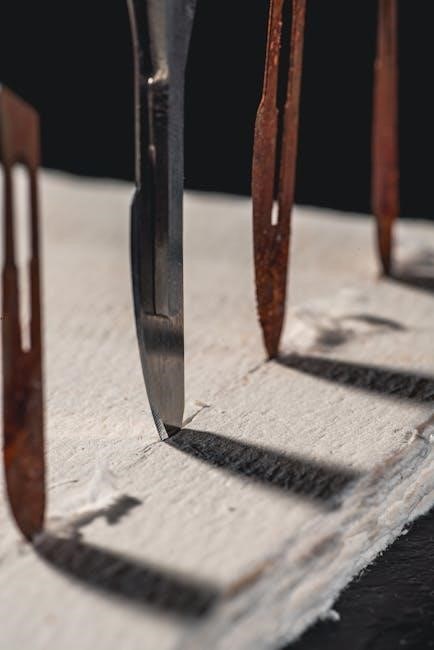
Multiple passes‚ alternating sides‚ remove microscopic burrs and align the edge. Inspect the blade for shine‚ indicating proper stropping. Regular stropping extends sharpness significantly‚ delaying the need for aggressive sharpening‚ and enhancing the blade’s overall cutting performance‚ as recommended by experienced knife enthusiasts.
Identifying Blade Damage
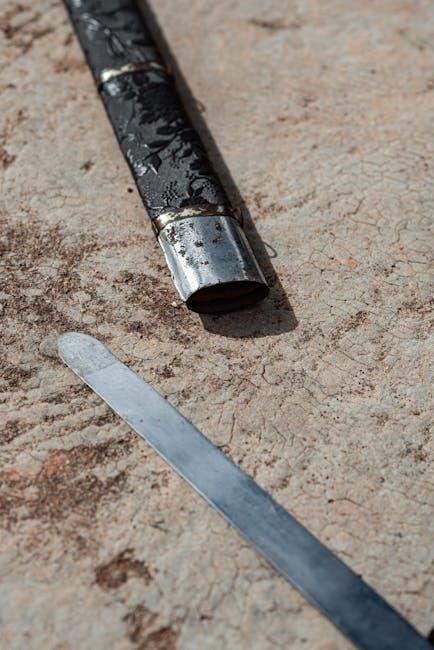
Careful inspection reveals critical damage. Look for chips and cracks along the edge‚ often caused by impacts or excessive force. Corrosion‚ appearing as rust or discoloration‚ weakens the steel. Feel the edge – any roughness indicates damage.
Magnification aids in spotting micro-fractures. Assess the extent of damage; minor chips may be filed‚ but significant cracks necessitate blade replacement. Ignoring damage compromises safety and performance‚ leading to unpredictable cuts and potential hazards during use. Regular checks are vital for preventative maintenance.
Recognizing Chips and Cracks
Chips appear as missing sections of the blade’s edge‚ often resulting from striking hard materials. Cracks‚ however‚ are more insidious – hairline fractures that propagate under stress. Visually inspect the edge under good lighting‚ using magnification if needed. Run a finger carefully along the edge; even small chips are detectable.
Cracks may not be immediately visible‚ but can cause catastrophic failure. Tap the blade gently; a ringing sound indicates integrity‚ while a dull thud suggests internal damage. Address these issues promptly to prevent further deterioration and ensure safe operation.
Dealing with Corrosion
Corrosion‚ often appearing as rust‚ weakens the blade and hinders sharpness. Mild rust can be removed with fine steel wool or a rust eraser‚ followed by oiling. For heavier corrosion‚ a vinegar soak (diluted 50/50 with water) can help‚ but requires thorough rinsing and immediate drying;
Prevention is key: always clean and dry blades after use‚ and apply a protective coating like oil or wax. Stainless steel offers better resistance‚ but even it isn’t immune. Regular maintenance prevents significant corrosion and extends blade life.
Repairing Damaged Lance Blades
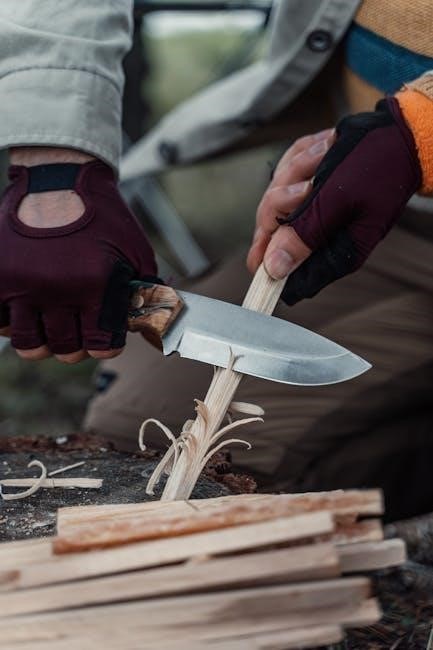
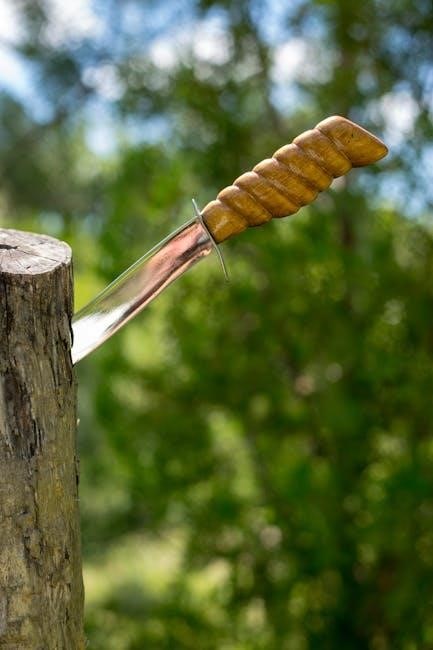
Repairing a damaged lance blade requires careful assessment. Minor chips can be filed down‚ reshaping the edge‚ but avoid removing too much material. Significant damage may necessitate grinding‚ followed by heat treating to restore hardness – a process best left to professionals.
Filing should follow the original bevel angle. Grinding requires a cooling agent to prevent overheating. Heat treating involves controlled heating and quenching‚ crucial for maintaining blade integrity. Always prioritize safety when using power tools.
Filing and Grinding Techniques
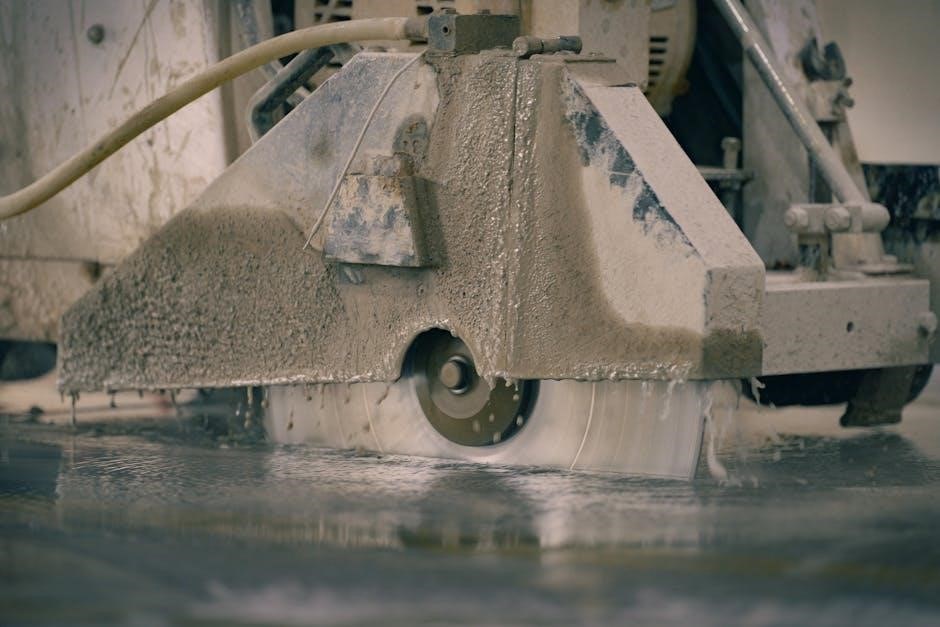
Filing damaged lance blades begins with selecting the appropriate file – coarse for significant material removal‚ fine for refining the edge. Maintain the original bevel angle‚ using smooth‚ consistent strokes. Grinding‚ employing a bench grinder or angle grinder‚ accelerates material removal but demands caution.
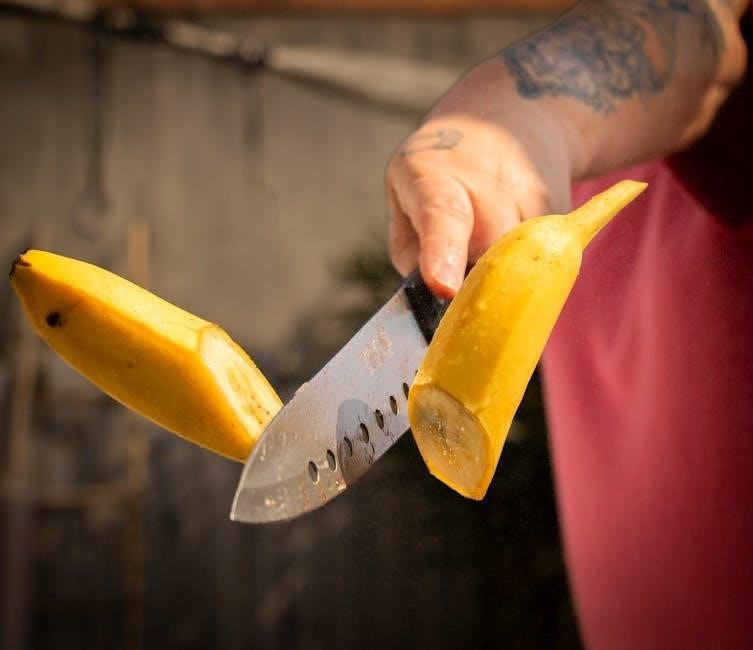
Cooling is essential during grinding to prevent tempering the steel. Use a grinding wheel suited to the blade’s material. Always wear safety glasses and a dust mask. Follow grinding with filing to achieve a clean‚ precise edge.
Heat Treating Considerations
Heat treating is crucial when repairing severely damaged lance blades‚ especially after extensive grinding. Re-hardening restores the blade’s original hardness‚ vital for maintaining its cutting edge. Tempering follows hardening‚ reducing brittleness and increasing toughness.
Precise temperature control is paramount; overheating can ruin the steel’s properties. Consider the blade’s original steel type – high carbon steel requires different treatment than stainless steel. Professional heat treatment is recommended for optimal results‚ ensuring the blade’s longevity and performance.
Safety Precautions When Handling Lance Blades
Prioritize safety when working with lance blades; their sharpness poses significant risks. Always wear heavy-duty gloves to protect hands from accidental cuts. Eye protection‚ such as safety glasses‚ is essential to shield against flying metal particles during sharpening or repair.
Maintain a stable work surface and ensure adequate lighting. Never attempt to sharpen a blade while fatigued. Properly dispose of used sharpening materials and damaged blades. Keep blades stored securely when not in use‚ away from children and pets.
Protective Gear
Essential protective gear is paramount when handling lance blades. Heavy-duty‚ cut-resistant gloves are non-negotiable‚ safeguarding hands from accidental contact with the incredibly sharp edges. Safety glasses or a face shield are crucial‚ protecting eyes from metal shavings generated during sharpening or repair processes.
Consider a leather apron to shield clothing and skin from debris. Closed-toe shoes are a must‚ preventing foot injuries. Ensure all gear fits properly and is in good condition before commencing any work with the blade.
Safe Sharpening Practices
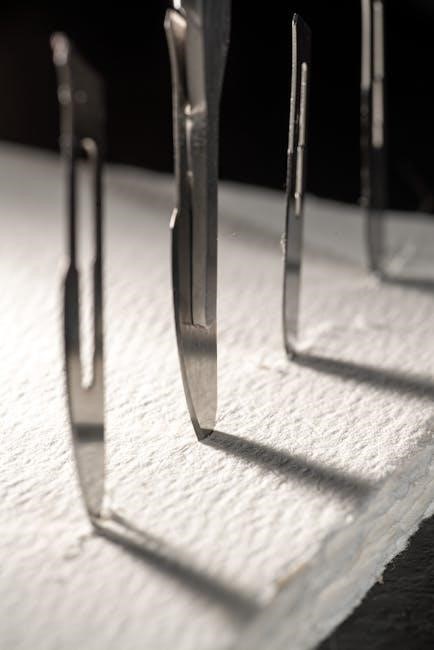
Prioritize a stable work surface and secure the lance blade firmly during sharpening. Maintain a consistent angle throughout the process‚ avoiding sudden movements. Always sharpen away from your body‚ never towards it‚ minimizing risk of injury. Use light pressure‚ letting the sharpening tool do the work‚ preventing slips.
Regularly inspect sharpening stones for damage and clean them to maintain optimal performance. Never rush the process; patience is key to achieving a sharp‚ safe edge. Focus intently on the task at hand‚ avoiding distractions.
Lance Blade Materials and Their Properties
High carbon steel offers exceptional hardness and edge retention‚ ideal for demanding applications‚ but is susceptible to corrosion. Stainless steel provides superior corrosion resistance‚ maintaining sharpness reasonably well‚ though generally not matching high carbon steel’s ultimate edge.
Alloy steels combine properties‚ balancing hardness‚ toughness‚ and corrosion resistance. Material choice impacts sharpening frequency and maintenance needs; harder steels require more effort but hold an edge longer. Consider the intended use when selecting a blade material‚ prioritizing durability or ease of care.
High Carbon Steel
High carbon steel blades are renowned for their exceptional hardness‚ allowing for incredibly sharp edges and superior edge retention. This makes them a preferred choice for applications demanding precision and prolonged sharpness. However‚ this comes with a trade-off: increased susceptibility to corrosion and rust if not properly maintained.
Regular oiling and careful cleaning are crucial for preserving the integrity of high carbon steel. While requiring more diligent care‚ the performance benefits—a consistently keen edge—often outweigh the maintenance demands for serious users.
Stainless Steel
Stainless steel lance blades offer a significant advantage: exceptional corrosion resistance. This makes them ideal for environments where exposure to moisture or harsh conditions is unavoidable‚ reducing the need for constant oiling and cleaning. While generally not achieving the same peak sharpness as high carbon steel‚ modern stainless steel alloys have significantly narrowed the performance gap.
They maintain a respectable edge for a considerable period and are easier to maintain overall. This balance of durability and ease of care makes stainless steel a popular choice for many applications‚ particularly those prioritizing convenience.
Choosing the Right Lance Blade
Selecting the ideal lance blade hinges on understanding your specific needs. Consider the intended application – lawn care demands robust blades‚ while woodworking requires precision. Budget plays a crucial role; higher-quality blades‚ often crafted from superior alloys‚ command a premium price but offer extended durability and performance.
Don’t solely focus on cost. Evaluate the blade’s material‚ geometry‚ and compatibility with your equipment. Purchasing a spare blade‚ as suggested for lawnmowers‚ ensures uninterrupted operation during the season‚ minimizing downtime and maximizing efficiency.
Considerations for Different Applications
Lance blade selection varies greatly depending on the task. Lawn mower blades prioritize durability and cutting power‚ often requiring frequent sharpening or replacement. Woodworking blades demand precision and a consistently sharp edge for clean‚ accurate cuts‚ benefiting from honing and stropping.
Kitchen knives necessitate a balance of sharpness and edge retention. Adapting sharpening techniques to each application is vital; a Lansky system suits general knives‚ while specialized methods may be needed for specific blades. Prioritize blade material based on the demands of the job.
Budget and Quality
Balancing cost and performance is crucial when choosing a manual lance blade. Higher-priced blades often feature superior steel and construction‚ promising greater durability and edge retention. Budget-friendly options can be suitable for less demanding tasks‚ but may require more frequent sharpening or replacement.
Investing in quality sharpening tools‚ like whetstones or Lansky systems‚ is worthwhile regardless of blade cost. Consider the long-term value; a durable‚ well-maintained blade can save money over time. Don’t solely focus on price; assess the blade’s suitability for your specific needs.
Lawn Mower Blade Sharpening – A Specific Application
Lawn mower blades require regular sharpening for a clean cut and healthy lawn. Dull blades tear grass‚ increasing disease susceptibility. Sharpening involves removing material to restore the original angle‚ often using a grinding wheel or file. Maintaining a consistent angle is vital for balanced performance.
Consider purchasing a spare blade for quick swaps during the mowing season‚ as recommended by lawncare enthusiasts. Ace Hardware offers sharpening services‚ or you can tackle it yourself with appropriate tools. Safety is paramount; disconnect the spark plug before handling the blade.
Woodworking Blade Sharpening – A Specific Application
Woodworking blades demand exceptional sharpness for precise cuts and clean finishes. Sharpening focuses on creating a micro-bevel‚ establishing a consistent cutting edge. Feel for a burr along the blade’s edge to indicate successful sharpening‚ as detailed by PlyCreations. Progress through grits‚ refining the edge for optimal performance.
Whetstones and sharpening stones are commonly used‚ requiring honing oil or water for lubrication; Regular honing maintains sharpness between full sharpenings. Proper technique prevents damage and ensures a long-lasting‚ effective blade for intricate woodworking projects.
Kitchen Knife Blade Sharpening – A Specific Application
Kitchen knives require frequent sharpening to maintain their efficiency and safety. Three-stage sharpeners‚ like those from Sharp Pebble on Amazon‚ offer a quick and effective solution for repair‚ restoration‚ and polishing. Gently pull the blade through each slot‚ ensuring consistent pressure and angle.
For finer honing‚ consider a Lansky system or a charged strop‚ as recommended by Reddit users. Maintaining a sharp edge minimizes effort and reduces the risk of accidents. Regular sharpening is crucial for optimal performance in the kitchen.
Advanced Sharpening Techniques
Mastering burr formation and removal is key to achieving a truly razor-sharp edge. Feel for the burr along the blade’s bevel‚ as described by PlyCreations‚ indicating successful sharpening. Remove it consistently with light passes‚ transitioning to finer grits.
Edge alignment is equally vital; inconsistencies can hinder performance. Utilize stropping with buffing compound to refine the edge and correct minor imperfections. Reddit discussions highlight the importance of patience and precision for optimal results‚ especially with Lansky systems.
Burr Formation and Removal
Burr formation signifies metal displacement during sharpening‚ indicating the blade’s edge is reaching its apex. PlyCreations emphasizes feeling for a burr perpendicularly across the bevel‚ confirming sharpening progress. Consistent burr formation across the blade’s width is crucial for a uniform edge.
Removal requires delicate‚ alternating passes with progressively finer grits. Avoid heavy pressure‚ which can re-form a larger burr. Stropping further refines the edge‚ eliminating microscopic burrs and achieving a polished‚ exceptionally sharp result‚ as discussed on Reddit.
Edge Alignment
Maintaining edge alignment is paramount for a lance blade’s performance and longevity. Misalignment leads to uneven wear‚ reduced cutting efficiency‚ and potential blade damage. Consistent sharpening angles and controlled pressure are vital during the process.
Visual inspection under magnification can reveal subtle deviations. Gentle stropping can correct minor alignment issues‚ while more significant problems may require careful filing or grinding. Proper technique ensures the blade tracks straight‚ maximizing its effectiveness and minimizing strain during use‚ as highlighted in online discussions.
Resources for Lance Blade Maintenance
Online communities‚ such as the r/knifemaking and r/lawncare subreddits‚ offer valuable insights and practical advice from experienced users regarding lance blade upkeep. PlyCreations provides detailed guides on woodworking blade sharpening‚ applicable to similar blade geometries. Amazon hosts a wide range of sharpening tools‚ including the Sharp Pebble system.
Manufacturer websites often feature maintenance guides specific to their products. YouTube channels dedicated to sharpening and blade care demonstrate techniques visually. Local hardware stores‚ like Ace Hardware‚ provide blade sharpening services and essential supplies.