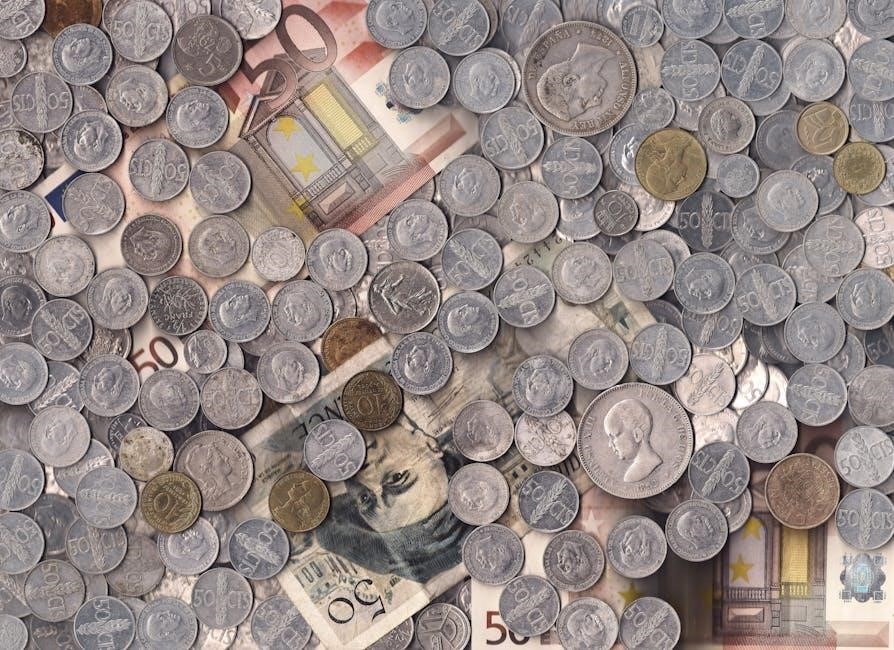
Canadian Coins Value Guide: An Overview
Discover the fascinating world of Canadian numismatics! This guide unveils the secrets to assessing the worth of your cherished Canadian currency holdings․
Embarking on a journey into Canadian coin collecting is a rewarding pursuit, blending history, art, and potential investment․ This hobby captivates individuals of all ages, offering a tangible connection to Canada’s rich past․ Unlike simply possessing currency, collecting focuses on preserving and appreciating coins as miniature historical artifacts․
The allure lies in the diversity – from pre-Confederation tokens to modern commemorative issues․ Each coin tells a story, reflecting the economic, political, and social climate of its time․ Beginners often start with pocket change, gradually expanding their knowledge and collections․ Understanding factors influencing value – such as rarity, condition, and historical significance – is crucial․
This guide serves as an introductory roadmap, providing essential insights into navigating the Canadian coin market․ Whether you’re a novice enthusiast or a seasoned collector, prepare to delve into a world of numismatic discovery and unlock the hidden value within your collection․
Why Collect Canadian Coins?
Canadian coin collecting offers a unique blend of intellectual stimulation, historical exploration, and potential financial gain․ Beyond mere accumulation, it’s about connecting with Canada’s narrative, tracing its evolution through the imagery and metal of its coinage․ Each coin represents a snapshot of a specific era, offering insights into past events and cultural values․
The hobby fosters research skills, encouraging collectors to delve into historical contexts, minting processes, and the stories behind individual coins․ It’s also a social activity, with vibrant communities and clubs providing opportunities for knowledge sharing and camaraderie․ Furthermore, certain coins can appreciate significantly in value, presenting a potential investment opportunity․
Ultimately, the most compelling reason to collect Canadian coins is the personal satisfaction derived from building a curated collection – a tangible legacy reflecting your interests and passion for Canadian history․
Historical Context & Key Periods
Understanding Canada’s past is crucial for coin valuation․ Distinct periods – pre-Confederation, early Confederation, and the 20th century – shaped coin designs and availability․
Pre-Confederation Coins (British North America)
Before 1867, the territories that would become Canada circulated British coinage․ However, due to shortages and logistical challenges, several British North American colonies also issued their own tokens and coins․
Nova Scotia, New Brunswick, Prince Edward Island, and the Province of Canada (later Ontario and Quebec) all experimented with local currency․ These early issues, often made of copper or silver, are highly sought after by collectors today․
Tokens served as small change, while coins often mirrored British designs but included colonial markings․ The rarity of these pre-Confederation coins significantly impacts their value․ Coins from the Province of Canada, particularly those with lower mintages, command substantial premiums․ Condition is paramount; well-preserved examples fetch the highest prices․ Identifying these coins requires careful examination of markings and historical context․ Understanding the economic conditions of the time also aids in appreciating their significance and value․
The Early Years of Confederation (1867-1900)
Following Confederation in 1867, Canada began establishing its own monetary system․ The initial decades saw the introduction of Canadian-specific designs for cents and higher denominations, though still heavily influenced by British aesthetics․
Key coins from this period include the early large cents, Victorian-era nickels, and silver dimes and quarters․ The 1870 and 1871 large cents are particularly valuable due to their low mintages․ Early silver coinage, especially in higher grades, is highly desirable․
Variations in die pairings and mint errors also contribute to the collectibility and value of these coins․ The transition from British to Canadian coinage created some inconsistencies, leading to interesting and rare pieces․ Collectors focus on identifying these nuances․ Condition remains crucial; uncirculated examples command significant premiums․ Researching mintages and historical context is essential for accurate valuation․
The 20th Century: Evolution and Changes
The 20th century brought substantial changes to Canadian coinage․ Silver content was reduced and eventually eliminated from circulating coins due to economic pressures and global metal market fluctuations․
Key developments include the introduction of the nickel composition for five-cent pieces and the phasing out of silver dimes, quarters, and half dollars․ The 1940s and 1950s saw wartime silver shortages impacting coin production and creating some scarce dates․
Later in the century, base metal compositions became standard․ The introduction of the dollar coin (the “Loonie” in 1996) and the two-dollar coin (“Toonie”) marked significant milestones․ Collectors often seek out complete sets of each year’s coinage, and special commemorative issues add further value․ Understanding these shifts is vital for assessing value․
Denominations and Their Value
Explore the value landscape of Canadian coins! Each denomination—penny, nickel, dime, quarter, half dollar, loonie, and toonie—possesses unique factors influencing its worth․
1 Cent Coins (Penny) ⎻ Value Trends
Canadian pennies, discontinued in 2013, present a surprisingly nuanced collecting field․ While most circulated pennies hold minimal value – often face value or slightly above due to copper content – certain dates and varieties command premiums․ Pre-1997 pennies, composed of 98% copper, are more sought after than the zinc-plated steel pennies introduced later․
Key dates to watch for include 1922, 1936, and various years with low mintages․ Uncirculated examples of these dates can fetch significant prices․ Errors, such as double dies or off-center strikes, dramatically increase a penny’s worth․ The 1922 penny, in particular, is a cornerstone of many Canadian penny collections․
Recent trends show a growing interest in complete date sets of pennies, driving up prices for harder-to-find years․ Condition is paramount; uncirculated or near-uncirculated pennies are always more valuable․ However, even well-worn pennies can have value if they are from a scarce date․
5 Cent Coins (Nickel) ⎻ Key Dates & Varieties
Canadian nickels, evolving from silver content to pure nickel, offer diverse collecting opportunities․ The wartime silver nickels (1942-1945) are highly prized, especially those in uncirculated condition, due to their metallic value and historical significance․ These coins feature a five-cent value superimposed on a laurel wreath․
Key dates for collectors include the 1921, a low-mintage year, and various years within the wartime silver series․ Look for clear strikes and minimal wear․ Varieties exist, including different mint marks and subtle design variations․ The 1944 nickel, for example, can be quite valuable depending on its condition․
Modern nickels, while generally less valuable, can still hold interest for complete date sets․ Errors, such as doubled dies or planchet flaws, can significantly increase a nickel’s worth․ Careful examination is crucial to identify these potential gems․
10 Cent Coins (Dime) ⎻ Silver & Modern Issues
Canadian dimes showcase a transition from 80% silver to a nickel composition in 1967, creating distinct collecting avenues․ Silver dimes (1919-1966) are sought after for their silver content and numismatic value, with earlier dates commanding higher premiums․
Key dates within the silver series include the 1921, 1936, and various years with lower mintages․ Condition is paramount; uncirculated examples fetch substantial prices․ Post-1967 nickel dimes are generally less valuable, but complete sets and error coins can be desirable․
Varieties exist, including different mint marks and subtle design differences․ Look closely for well-defined details and minimal wear․ Modern dimes, while common, can still be part of a comprehensive Canadian coin collection, especially those with unique errors or characteristics․
25 Cent Coins (Quarter) ⎻ Silver & Modern Issues
Canadian quarters, like dimes, experienced a compositional shift from 80% silver to nickel in 1968, influencing their collector value․ Silver quarters (1937-1967) hold intrinsic worth due to their silver content, alongside numismatic appeal, with certain dates being scarcer․
Notable silver quarter dates include the 1937 (especially the “dot” variety), 1947, and those with low mintages․ Uncirculated examples command significant premiums․ Post-1967 nickel quarters are typically less valuable, though complete sets and error coins present opportunities․
Collectors should examine quarters for distinct mint marks, design variations, and wear․ Well-struck examples with sharp details are highly prized․ Modern commemorative quarters, released annually, can also increase in value over time, particularly those with limited production runs․
50 Cent Coins (Half Dollar) ‒ Silver Content & Rarity
Canadian fifty-cent pieces, minted in 80% silver from 1953 to 1967, are highly sought after by collectors due to their precious metal content and diminishing availability․ The 1953 and 1954 issues are particularly noteworthy, with the 1953 being the lowest mintage and commanding a substantial premium․
Post-1967 half dollars transitioned to a nickel composition, significantly reducing their intrinsic value․ However, certain years and varieties, especially those in uncirculated condition, can still be valuable․ Look for well-defined details and minimal wear․
Rarity plays a crucial role; lower mintage years and coins with notable errors are more desirable․ Collectors often seek complete sets of these coins, and professional grading can authenticate and assess their condition, impacting their market price․
Introduced in 1996, the Canadian one-dollar coin, affectionately known as the “Loonie” due to the loon depicted on its reverse, quickly became a staple of everyday transactions․ Initially met with some skepticism, it proved durable and cost-effective, replacing the paper dollar bill․
While most circulating Loonies hold only face value, certain variations attract collector interest․ Early production runs, particularly those with noticeable die errors or unique toning, can command premiums․ Special edition Loonies released to commemorate events also increase in value․
The silver-plated Loonies issued for specific occasions, like the 1996 Olympic Games, are particularly popular․ Uncirculated examples, preserved in their original packaging, are highly desirable․ Condition is paramount; pristine coins fetch higher prices․
2 Dollar Coins (Toonie) ‒ Bi-Metallic Design & Value
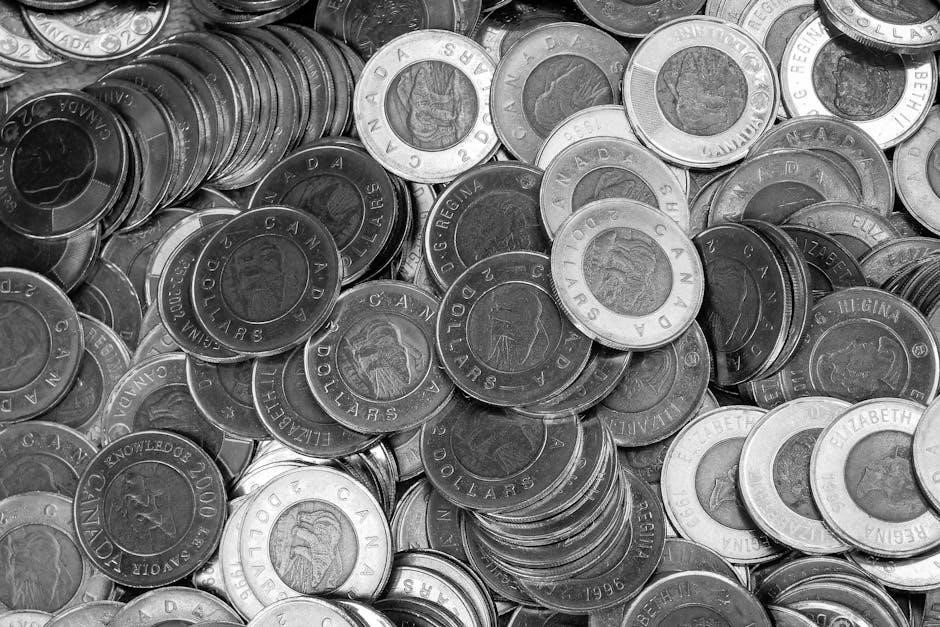
The Canadian two-dollar coin, or “Toonie,” debuted in 1996, distinguished by its unique bi-metallic design – a yellow-brass ring surrounding a pewter centre․ This innovation aimed to deter counterfeiting and offered enhanced security features․ Like the Loonie, it quickly gained acceptance․
Generally, circulating Toonies are worth only their face value․ However, collector value arises from specific variations․ Commemorative Toonies, released annually to celebrate significant Canadian events or achievements, are the primary drivers of collectibility․
Early releases and those with low mintage figures are particularly sought after․ Uncirculated examples, retaining their original luster, command higher prices․ Errors, such as off-centre strikes or misaligned layers, can significantly increase a Toonie’s worth to dedicated collectors․
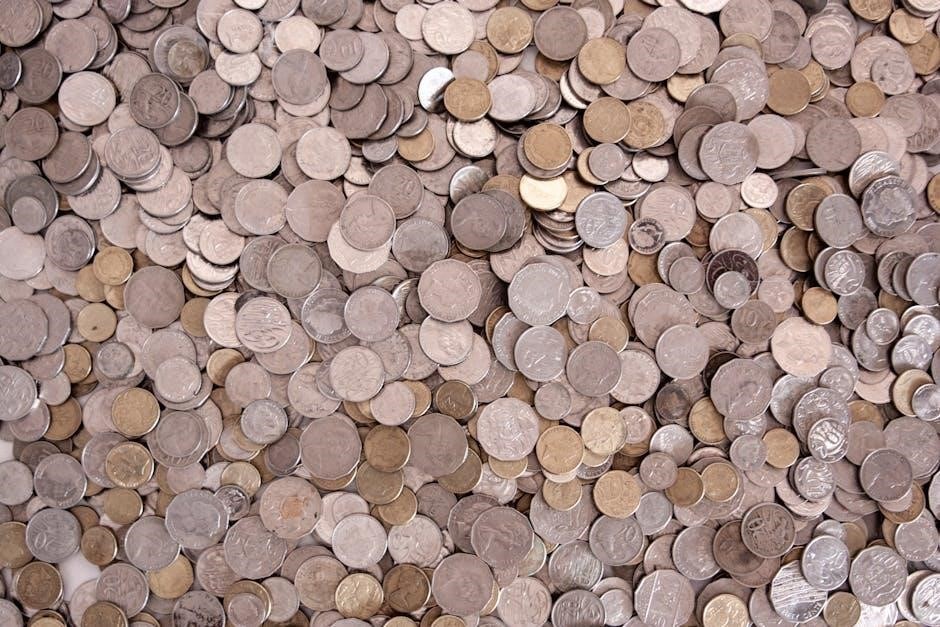
Rare & Valuable Canadian Coins
Unearth the hidden treasures within your collection! Certain Canadian coins, due to scarcity or unique features, command substantial premiums among discerning collectors․
Key Date Coins ‒ Identifying Scarcity
Key date coins represent specific years of production where a particular denomination experienced significantly lower mintages than others․ This limited supply automatically elevates their desirability and, consequently, their value in the collector’s market․ Identifying these key dates is crucial for any serious Canadian coin enthusiast;
Several factors contribute to a coin becoming a “key date․” Low mintages are the primary driver, often resulting from economic conditions, reduced demand, or production issues at the Royal Canadian Mint․ For example, the 1936 Canadian dollar is a renowned key date due to its exceptionally low mintage․
Determining key dates requires consulting reliable price guides and databases․ These resources detail mintage figures for each year and denomination, allowing collectors to pinpoint those with limited availability․ Condition plays a vital role; even a key date coin in poor condition will be worth less than a well-preserved example․ Careful examination and research are essential for maximizing the potential value of your Canadian coin collection․
Error Coins ‒ Minting Mistakes & Premium Value
Error coins, born from mishaps during the minting process, often command significant premiums among collectors․ These aren’t flaws diminishing value; they’re unique characteristics resulting from mechanical failures, die problems, or human error at the Royal Canadian Mint․ Their rarity and distinctiveness drive up demand․
Common errors include doubled dies (where the design appears doubled), off-center strikes (where the design isn’t perfectly centered), clipped planchets (incomplete metal discs), and broadstrikes (coins struck without a retaining collar, resulting in a flattened appearance)․ Even minor errors can substantially increase a coin’s worth․
Identifying error coins requires a keen eye and knowledge of the minting process․ Authenticating these errors is crucial; professional grading services like PCGS or ICCS can verify their legitimacy․ The severity and visibility of the error directly impact its value, with more dramatic and obvious errors generally fetching higher prices in the Canadian coin market․
Varieties & Die States ⎻ Subtle Differences, Big Impact
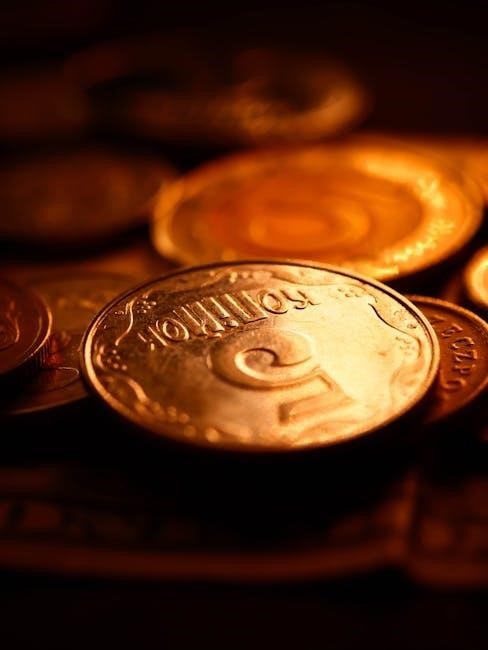
Canadian coin collecting extends beyond simple dates and mint marks; varieties and die states represent subtle, yet significant, differences impacting value․ These variations arise from changes to the dies used to strike coins – alterations made during production to correct flaws or enhance design․
Die states refer to the progression of wear on a die․ Early die states exhibit sharp details, while later states show weakening and alterations․ Different die pairings can also create unique varieties․ For example, slight variations in the placement of design elements or the size of lettering can distinguish one variety from another․
Identifying these nuances requires careful comparison with known examples and specialized catalogs․ While seemingly minor, these differences can dramatically increase a coin’s desirability and price․ Collectors actively seek out these varieties, making them highly sought-after additions to any Canadian coin collection․
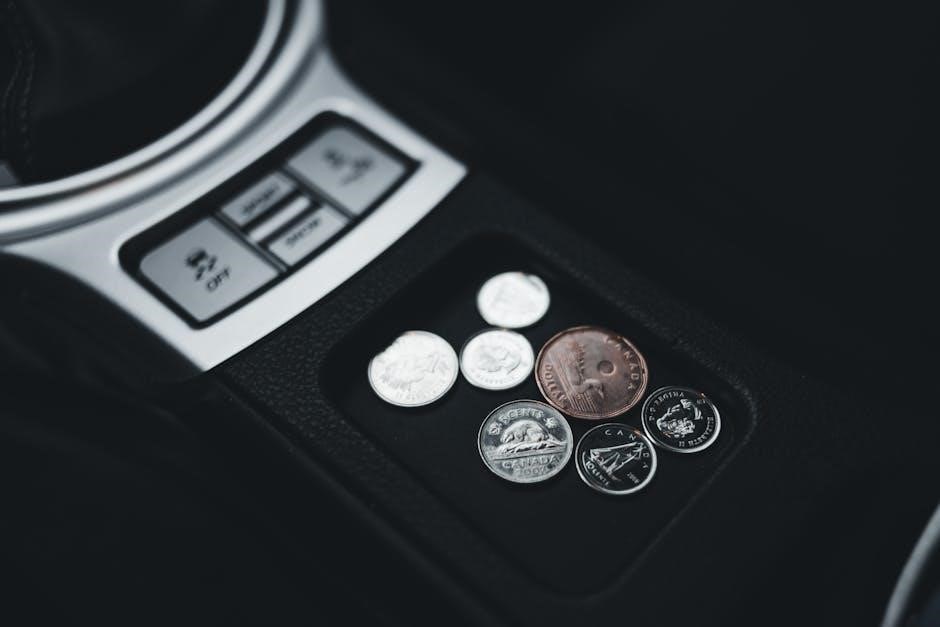
Grading Canadian Coins
Accurate coin grading is crucial for determining value; condition significantly impacts price! Learn to assess wear, luster, and imperfections for precise evaluations․
Understanding Coin Grading Standards (Sheldon Scale)
The Sheldon scale, ranging from 1 to 70, is the universally accepted standard for grading coins․ A coin graded Poor (1) is barely identifiable, heavily worn, and lacks detail․ Fair (2-4) shows significant wear, with major design elements visible but smoothed․
Very Good (6-8) exhibits wear, but details are discernible․ Fine (12-15) displays moderate wear, with some detail remaining․ Very Fine (20-25) shows light wear, with most details sharp․
Extremely Fine (40-45) has minimal wear, with sharp details and some luster․ About Uncirculated (50-55) displays slight handling marks, with almost full detail and luster․ Mint State (60-70) coins are uncirculated, with varying degrees of luster and surface preservation․ MS60 is the lowest uncirculated grade, while MS70 is a perfect, flawless coin․
Remember, grading is subjective, and professional services offer consistent, reliable assessments․
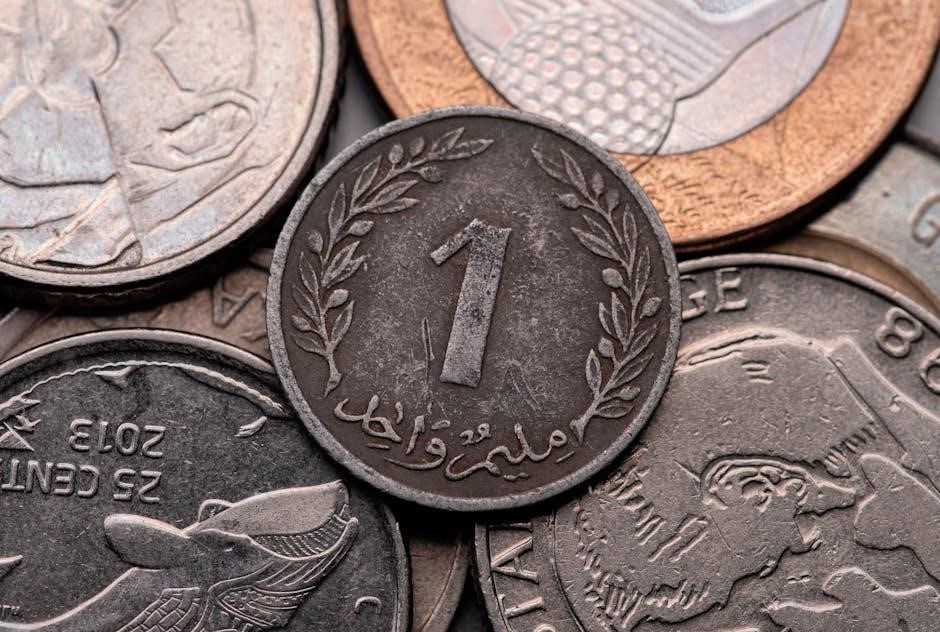
Professional Grading Services (PCGS, ICCS)
For accurate and impartial assessments, consider professional grading services like Professional Coin Grading Service (PCGS) and Independent Coin Grading Service (ICCS)․ These companies authenticate, grade, and encapsulate coins, providing a trusted opinion on their condition and value․
PCGS is widely recognized as a leading authority, particularly for US coins, but also grades Canadian currency with expertise․ ICCS specializes exclusively in Canadian numismatics, offering in-depth knowledge of Canadian varieties and errors․
Submitting coins involves a fee and a rigorous evaluation process․ Graded coins are sealed in tamper-evident holders, protecting their grade and enhancing their marketability․ A professional grade significantly increases a coin’s value, providing confidence to buyers and sellers․ Always research current submission fees and turnaround times before sending your coins․
Utilizing these services is crucial for high-value or potentially rare Canadian coins․
Resources for Canadian Coin Collectors
Explore valuable online databases, price guides, and connect with fellow enthusiasts through Canadian numismatic associations and local coin collecting clubs!
Online Price Guides & Databases
Numerous online resources empower collectors to determine the current market value of their Canadian coins․ Websites like Canadian Coin & Currency (canadiancoinandcurrency․com) offer extensive catalogs and price lists, regularly updated to reflect market fluctuations․
For auction results and completed sales data, eBay’s “Sold Listings” feature provides a realistic view of what coins are actually selling for․ Similarly, Heritage Auctions (ha․com) archives past auction records, offering valuable insights into high-grade and rare specimens․
Additionally, specialized databases such as Numista (en․numista․com) provide detailed information on coin specifications, mintage figures, and varieties․ These platforms often include user-contributed data and images, fostering a collaborative environment․ Remember to cross-reference information from multiple sources to obtain the most accurate valuation, considering coin condition and any unique characteristics․
Canadian Numismatic Associations & Clubs
Joining a Canadian numismatic association or local coin club offers invaluable benefits for collectors of all levels․ The Royal Canadian Numismatic Association (RCNA ‒ rcna․ca) is the national organization, providing resources, educational materials, and networking opportunities․
Provincial and regional clubs host regular meetings, coin shows, and auctions, allowing members to buy, sell, and trade coins․ These gatherings are excellent for learning from experienced collectors and gaining insights into current market trends․ Furthermore, club members often specialize in specific areas of Canadian numismatics, offering expert advice․
Associations frequently publish newsletters and journals containing articles on coin history, grading, and valuation․ Participating in these communities fosters a deeper appreciation for Canadian coinage and provides access to a wealth of knowledge unavailable elsewhere․ Local clubs can be found through the RCNA website or by searching online for “coin clubs near me․”